
Security Platform as Digital Social Infrastructure
When viewed from an architectural and systemic perspective, Security Platform as Digital Social Infrastructure is no longer just a technology layer used for protection. Instead, it is evolving into a foundational structure of modern organizations—similar to electricity, transportation systems, or the internet.
These infrastructures are rarely discussed in daily operations, yet they are essential for every activity within an organization. Without them, digital workplaces cannot function securely or efficiently.
2026-01-16
Dr. Pongsak Wonglertkunakorn
Dr. Pongsak Wonglertkunakorn
- Workplace Consultant
- Ph.D. in Management from National Institute of Development Administration
- M.S. in Computer and Information Science from University of Pennsylvania
- B.Eng. in Computer Engineering from Chulalongkorn University
From Security Tools to Digital Infrastructure
Modern enterprise security platforms are shifting away from isolated tools toward integrated ecosystems. A true Security Platform as Digital Social Infrastructure is designed with the following principles:
- API-driven architecture for seamless integration with other enterprise systems
- Platform-first design that allows scalability across multiple use cases
- Interoperability, ensuring systems can connect without dependency on specific hardware or vendors
This evolution allows organizations to continuously enhance security capabilities without needing to replace existing infrastructure. Instead, systems can be extended, upgraded, and integrated progressively.
Security Platform Infrastructure as an Integrated Digital Ecosystem
In this model, security is not treated as isolated checkpoints such as gates, cameras, or access logs. Instead, it becomes a connected digital ecosystem that supports how people move, work, and interact within an organization.
This is where modern platforms such as Bainisys’ integrated workplace and security solutions come into play. Their approach positions security as part of the organizational backbone rather than a separate operational layer.
Bainisys solutions typically integrate:
These systems work together as one unified infrastructure, aligning closely with the concept of Security Platform as Digital Social Infrastructure.
Progressive Upgrade in Security Platform Infrastructure
One of the key advantages of this architecture is gradual transformation. Organizations do not need to dismantle legacy systems. Instead, they can:
- Integrate new digital security layers on top of existing infrastructure
- Expand capabilities through modular platforms
- Improve security intelligence through data integration
This approach reduces operational risk while enabling long-term scalability.
Security as the Foundation of Trust
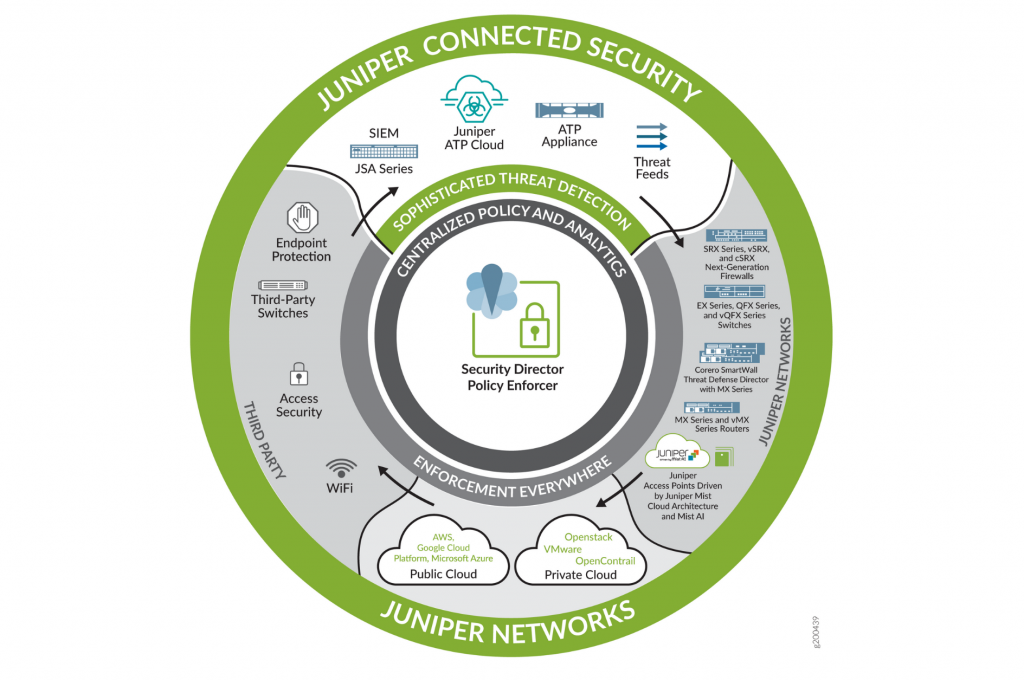
In the digital economy, security is no longer just a cost center. It is a critical foundation of trust between systems, users, and organizations.
Without strong digital security infrastructure, collaboration, data exchange, and workplace transformation cannot happen effectively.
Therefore, Security Platform as Digital Social Infrastructure represents more than a technical evolution—it represents a shift in how organizations define trust, resilience, and operational continuity.
Conclusion
The future of enterprise systems is not about standalone security tools, but about integrated platforms that function as digital infrastructure. Organizations that adopt this model can build more scalable, intelligent, and resilient environments.
Ultimately, security is not optional—it is the invisible infrastructure that enables the digital world to function.