
Security and Productivity Are No Longer Trade-offs
Security and Productivity are no longer opposing goals for modern organizations. For many years, companies believed that stronger security would inevitably slow people down, add more steps, and reduce workplace efficiency. By 2026, this assumption is no longer valid.
Modern security systems are now designed to operate quietly in the background. Instead of creating friction for users, they use identity, automation, access control, and connected workplace data to keep operations secure while helping people work faster and more confidently.
2026-01-07
Dr. Pongsak Wonglertkunakorn
Dr. Pongsak Wonglertkunakorn
- Workplace Consultant
- Ph.D. in Management from National Institute of Development Administration
- M.S. in Computer and Information Science from University of Pennsylvania
- B.Eng. in Computer Engineering from Chulalongkorn University
Why Security and Productivity Must Work Together
In the past, security often meant more manual checks, more approvals, and more interruptions for users. Employees had to carry different access cards, remember multiple login methods, wait for manual verification, or contact administrators whenever they needed access to a specific area.
Today, organizations need a different approach. Security must protect people, assets, data, and facilities without slowing down daily operations. When Security and Productivity are designed together, organizations can reduce risk while improving the experience for employees, visitors, security teams, and administrators.
This shift is especially important for office buildings, hospitals, factories, campuses, data centers, and corporate facilities where people, spaces, and systems must operate continuously.
Modern Security Is Built Around Identity
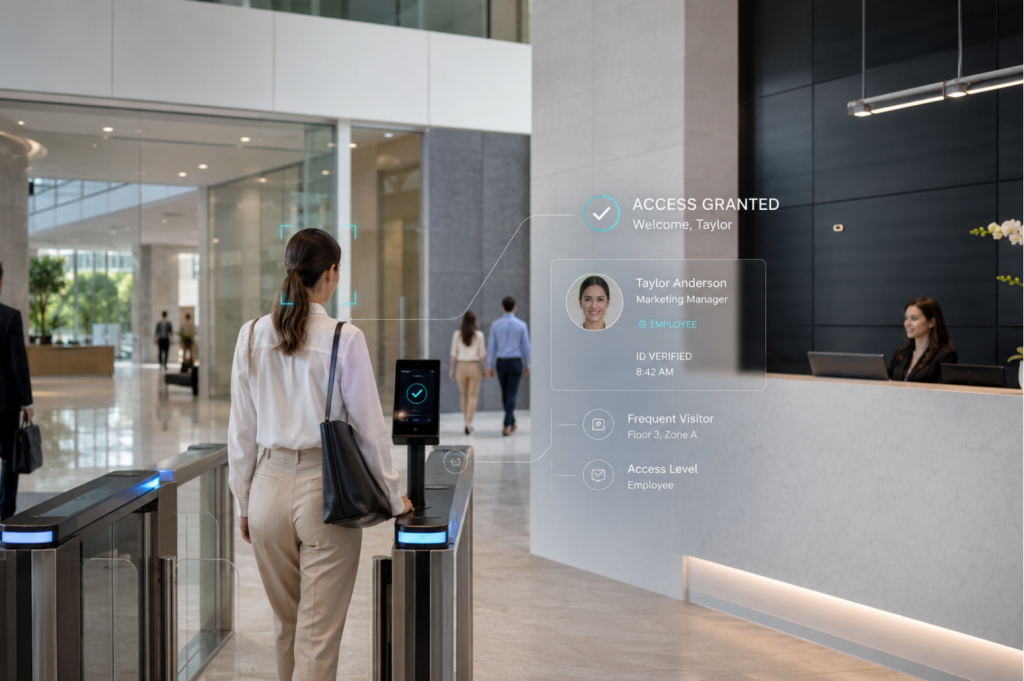
Modern security systems are increasingly centered around identity, not just devices. Instead of relying only on cards, keys, or manual approval, organizations can manage access based on verified users, roles, permissions, schedules, and real-time conditions.
This identity-based approach helps organizations control who can access specific buildings, floors, rooms, or restricted areas. It also helps security teams understand when access happened, who was involved, and whether the activity followed company policy.
For example, an employee can enter only authorized areas, a visitor can receive approved access after registration, and administrators can review access logs from a centralized system. This creates a safer environment while reducing unnecessary steps for users.
Automation Helps Reduce Security Friction
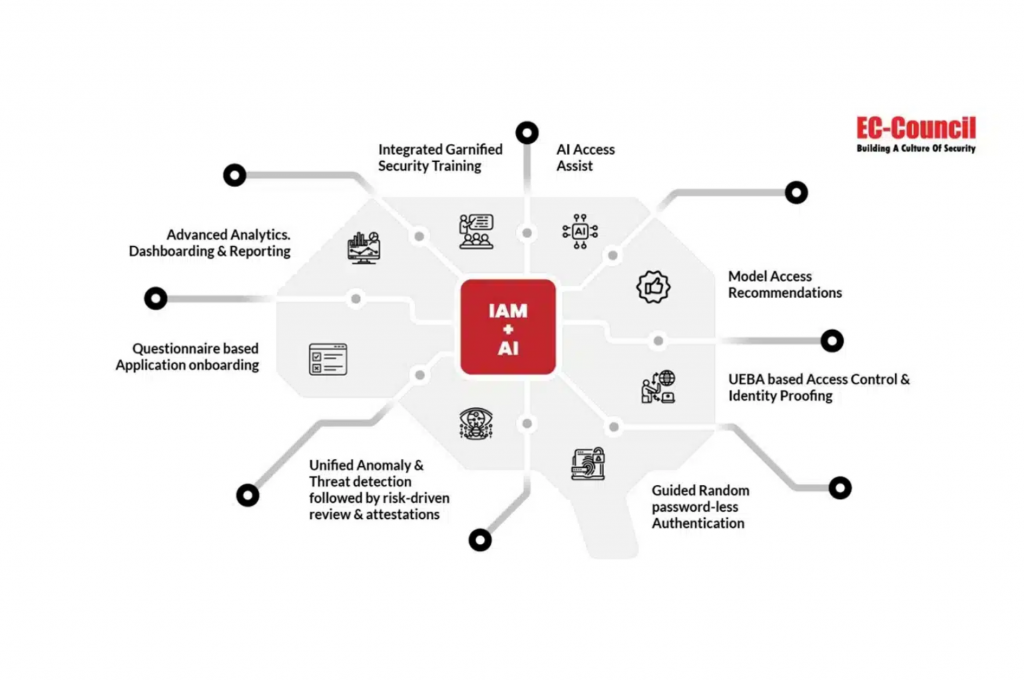
Automation plays an important role in improving both Security and Productivity. When repetitive security tasks are automated, employees and administrators no longer need to spend time on manual coordination.
Modern workplace security systems can help automate access permissions, visitor check-in, identity verification, security alerts, reporting, and audit records. As a result, organizations can reduce human error and improve operational consistency.
This does not mean removing control. Instead, automation makes control more accurate, faster, and easier to manage.
Security Systems Should Support Daily Operations
Well-designed security systems should support daily work, not slow it down. The best systems operate in the background while still giving administrators clear visibility and control.
Modern security systems are designed to:
- Operate automatically in the background
- Be centered around identity, not only devices
- Minimize friction for employees and visitors
- Generate audit and compliance data by default
- Support faster, safer, and more reliable operations
When security is designed correctly, it no longer becomes a barrier. It becomes part of the organization’s operational foundation.
Bainisys Solutions for Security and Productivity
Bainisys supports organizations with physical security and workplace technology solutions that help improve both security and daily operations. These solutions are designed to reduce manual processes, strengthen access control, improve visibility, and help teams work more efficiently.
Access Control helps organizations manage secure entry to buildings, offices, and restricted areas while reducing manual processes and improving operational efficiency.
Visitor Management supports secure visitor registration, check-in, identity verification, and controlled access to approved areas while improving visitor experience.
ARES connects access control with workplace and security systems to centralize workflows and improve visibility across operations.
Physical Security Integration
Physical Security Integration connects systems such as access control, visitor management, and CCTV to improve coordination, visibility, and security operations.
From Security Control to Operational Intelligence
The value of modern security is no longer limited to controlling doors or verifying users. Security systems now generate useful operational data that can help organizations understand access activity, visitor patterns, space usage, and compliance status.
This information helps management make better decisions about building operations, workforce planning, risk reduction, and resource allocation.
In this way, security becomes more than protection. It becomes operational intelligence that supports the entire organization.
Building a Safer and More Productive Organization
For Bainisys Co., Ltd., the future of workplace technology is not about choosing between strong security and efficient operations. It is about designing systems that support both.
Organizations that connect identity, access control, visitor management, workplace automation, and data insights can create environments that are safer, faster, and easier to manage.
Security and Productivity can work together when technology is designed as part of daily operations. In 2026 and beyond, this balance will become an important foundation for resilient and future-ready organizations.
Related Bainisys Solutions
Explore Bainisys solutions that support secure and efficient workplace operations: