
Technology in 2026 Is Measured by Impact, Not Installation
Impact-Driven Technology is becoming essential for organizations in 2026 because companies no longer measure technology success by installation alone. Instead, they measure success by real business impact.
Organizations now ask more practical questions. Has productivity improved? Has operational risk decreased? Can teams make decisions faster? Has the business reduced unnecessary costs? If a technology cannot answer these questions clearly, it may not create true strategic value.
As a result, modern enterprises need digital transformation solutions that go beyond system deployment. They need platforms that improve daily operations, connect teams, reduce manual work, and help leaders make better decisions with clearer data.
2026-01-09
Dr. Pongsak Wonglertkunakorn
Dr. Pongsak Wonglertkunakorn
- Workplace Consultant
- Ph.D. in Management from National Institute of Development Administration
- M.S. in Computer and Information Science from University of Pennsylvania
- B.Eng. in Computer Engineering from Chulalongkorn University
Why Impact-Driven Digital Transformation Solutions Matter
In the past, many organizations focused on how many systems they installed or how many digital tools they launched. However, installation alone does not guarantee success. A system may work correctly, but it may still fail to improve productivity, reduce risk, or create measurable value.
Therefore, organizations need to shift their focus from “What technology have we installed?” to “What business outcome has this technology created?”
This approach helps companies choose technology more carefully. It also helps them avoid systems that add complexity without improving performance. In simple terms, technology should help people work faster, reduce errors, manage resources better, and support smarter decisions.
From Technology Deployment to Real Business Impact
By 2026, organizations will expect every technology investment to show clear results. For example, a workplace platform should not only allow employees to book meeting rooms or desks. It should also help the company understand space usage, reduce unused resources, and improve employee experience.
Similarly, a security platform should not only control access. It should help reduce unauthorized access, improve visibility across locations, and support stronger risk management.
Moreover, a logistics platform should not only replace paper documents. It should help reduce delays, improve transparency, and make information exchange faster and more reliable.
In this way, technology becomes more than a tool. It becomes part of business performance.
Bainnisys and Impact-Driven Digital Solutions
Bainnisys supports this direction through digital transformation solutions that focus on measurable impact. The company designs platforms that help organizations improve workplace management, enterprise security, logistics operations, and overall business efficiency.
For example, Bainnisys Security Platform helps organizations manage access control, security policies, and risk visibility more effectively. It allows teams to control access, monitor activity, and manage security operations from a more centralized environment.
In addition, Roomminister supports smart workplace operations such as meeting room booking, hotdesk management, visitor management, and workplace utilization. As a result, organizations can improve space efficiency and create a better workplace experience.
Bainnisys also provides e-Delivery Order (e-D/O) solutions for logistics operations. This platform helps reduce paper-based workflows, improve document exchange, and support faster import-export processes.
Together, these solutions help organizations move from fragmented manual processes to connected digital operations that create measurable business value.
Measuring Productivity, Risk, and Efficiency
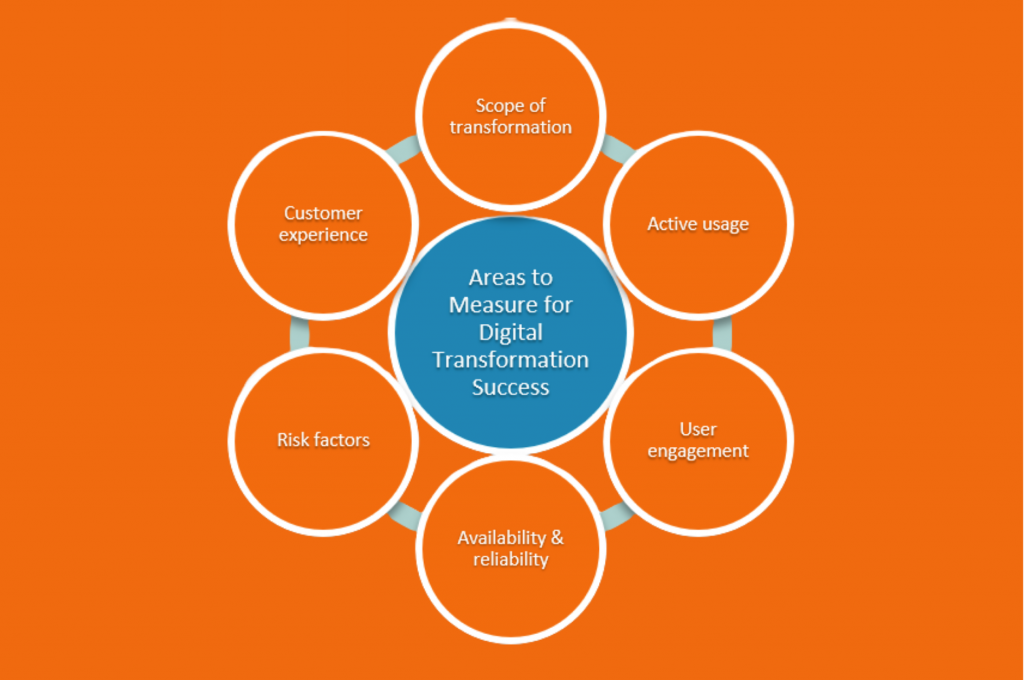
Impact-driven technology gives organizations a clearer way to evaluate digital transformation. Instead of focusing only on whether a system is installed, companies can measure how the system changes day-to-day operations.
Key areas to measure include:
- Productivity improvement
- Operational risk reduction
- Faster decision-making
- Better cost efficiency
- Improved user experience
- Higher visibility across business operations
For example, if a smart workplace platform helps reduce unused meeting rooms, the organization gains better space efficiency. If a security platform helps reduce access risks, the business gains stronger protection. If a logistics platform reduces document delays, the organization gains faster operations.
Therefore, Impact-Driven Technology makes the value of technology easier to understand, easier to measure, and easier to connect with real business outcomes.
Business Value for Modern Organizations
Impact-driven technology helps organizations make better investment decisions. Instead of adopting new tools only because they are modern, companies can focus on solutions that solve real business problems.
This approach creates several benefits. Teams can work faster. Managers can see clearer data. Security teams can reduce risks. Operations teams can reduce delays. At the same time, executives can understand how technology supports long-term business strategy.
Moreover, impact-driven platforms help reduce unnecessary complexity. They connect people, processes, and data into one clearer operating model. As a result, organizations can improve both efficiency and control.
Conclusion
Technology in 2026 is no longer measured by installation. It is measured by impact.
Impact-Driven Digital Transformation Solutions help organizations focus on real outcomes such as productivity, risk reduction, decision speed, cost efficiency, and measurable business value.
With solutions such as Bainnisys Security Platform, Roomminister, and Bainnisys e-Delivery Order, Bainnisys helps organizations turn digital transformation into practical results. In this way, technology becomes not just a system that has been installed, but a meaningful driver of business performance.