
Physical Security for Hotels
Enhancing Hotel Safety with an Integrated Physical Security System
2026-07-10
Dr. Pongsak Wonglertkunakorn
Dr. Pongsak Wonglertkunakorn
- Workplace Consultant
- Ph.D. in Management from National Institute of Development Administration
- M.S. in Computer and Information Science from University of Pennsylvania
- B.Eng. in Computer Engineering from Chulalongkorn University
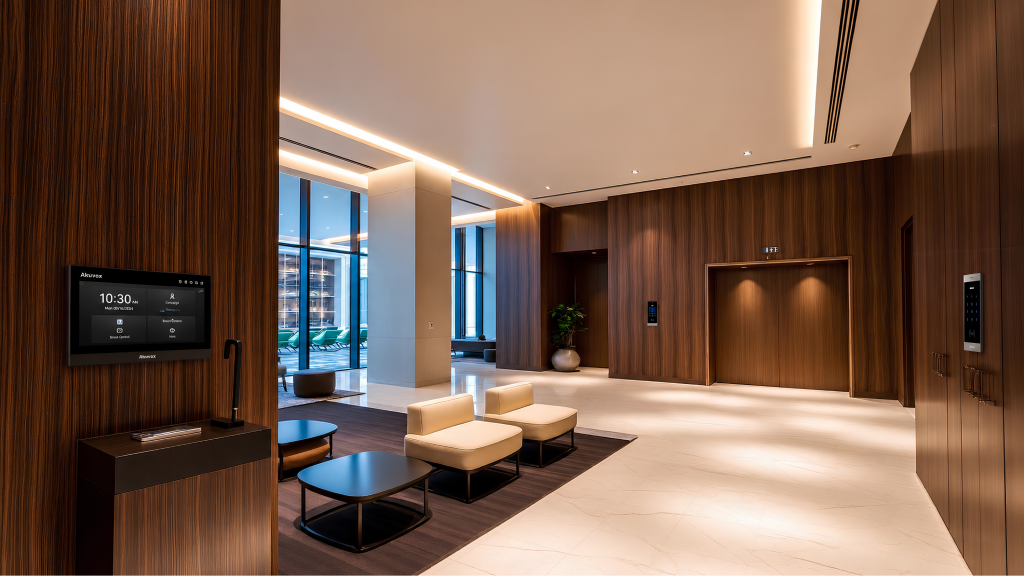
Modern hotel lobby with an integrated security system Hotel security today is no longer limited to installing CCTV cameras to monitor the premises. It involves designing a Physical Security system that can systematically manage every area, every access point, and every critical event.
From the lobby, common areas, elevators, guest room floors, meeting rooms, fitness centers, and parking areas to restricted Back Office zones, hotel security systems must work together efficiently to protect guests, employees, and hotel assets.
For the hotel industry, an effective security system should not create unnecessary inconvenience for users. Instead, it should allow people to access different areas smoothly and securely while ensuring that all activities can be reviewed when necessary.
Why Physical Security Is Important for the Hotel Industry
Hotels operate 24 hours a day and receive a wide range of people, including hotel guests, employees, contractors, vendors, visitors, and customers using facilities such as restaurants, meeting rooms, fitness centers, and event spaces.
The variety of users and areas makes hotel security more challenging than security in many other types of properties. When individual systems operate separately, such as CCTV systems that are not connected to Access Control or Visitor Management, the security team may take longer to investigate incidents and may not have a complete overview of the situation.
Designing an Integrated Physical Security System allows hotels to manage security more efficiently without negatively affecting the guest experience. It also helps improve the hotel’s service and security standards over the long term.
Key Challenges for Hotel Security
Controlling Access for Guests, Employees, and Visitors
Hotels have several groups of users who require different levels of access, including hotel guests, permanent employees, temporary staff, vendors, and visitors. Without clearly defined Access Control and Visitor Management systems, unauthorized individuals may gain access to restricted or sensitive areas.
Security in the Lobby, Lift, Corridor, and Guest Floor Areas
Lobby and guest floor areas must maintain the right balance between convenience and security. Using an Elevator Access Control system together with CCTV and Access Control enables hotels to appropriately restrict access to specific floors and reduce the risk of unauthorized individuals entering guest room areas.
Managing Parking Areas and Vehicle Access
The parking area is one of the key security risk zones that hotels must prioritize because a large number of vehicles enter and exit throughout the day. A Parking Management or LPR system helps record vehicle access, enhance security, reduce congestion, and make it easier for staff to review past incidents.
Monitoring Employees and Vendors in Back Office Areas
Back Office areas, such as control rooms, storage rooms, server rooms, kitchens, and employee-only areas, require strict access control. Access Control and Visitor Management systems allow hotels to define access permissions, review entry and exit times, and reduce the risk of unauthorized access to sensitive areas.
Connecting Events from Multiple Systems
When an unusual incident occurs, a hotel may need to review information from several systems at the same time, including CCTV footage, door access records, visitor information, and vehicle access records. When these systems are not integrated, the investigation process may take longer. System integration enables the security team to access complete information in one place and respond to incidents more quickly.
Responding to Unusual Events in Real Time
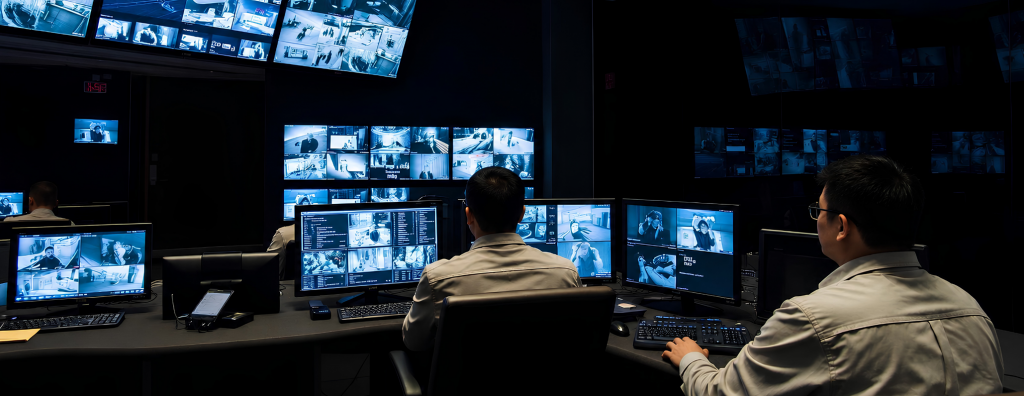
An effective security system should provide immediate alerts for important events, such as doors being left open, unusual access activity, unauthorized access attempts, or emergencies. These alerts can be managed through a centralized Command Center or Security Dashboard, allowing the security team to make accurate decisions and respond effectively.
System integration enables the security team to access complete information in one place and respond to incidents more quickly.
Recommended Physical Security Solutions for Hotels
CCTV / Video Surveillance
Helps monitor important areas such as the lobby, corridors, parking areas, Back Office areas, and common spaces while supporting efficient investigation and review of recorded incidents.
Access Control
Controls access permissions for different user groups, including hotel guests, employees, vendors, and visitors, while recording access activity for future review.
Visitor Management
Manages visitors systematically, reduces manual processes, improves security, and ensures that visitor information can be clearly reviewed.
Elevator Access Control
Controls access to specific floors, particularly guest floors and restricted areas, helping improve security for hotel guests.
Parking Management / LPR
Manages vehicle entry and exit, records license plate information, reduces parking congestion, and improves the efficiency of incident investigations.
Alarm & Emergency Integration
Connects abnormal-event alerts, such as doors being left open, intrusion alarms, or emergency incidents, allowing the security team to respond more quickly.
Command Center / Security Dashboard
Combines information from multiple systems on a single screen, enabling the security team and hotel management to view the overall situation in real time.
Integration with Hotel Operation Systems
Connects the hotel security system with hotel operational systems to reduce duplicated work, improve convenience, and enhance the guest experience.
Business Benefits: The Business Value of Hotel Security Systems
Investing in a properly designed Hotel Security system does more than improve safety. It also delivers business benefits to hotels in several areas.
- Improves safety for hotel guests, employees, and hotel assets
- Reduces the risk of unauthorized access to sensitive areas
- Helps the security team investigate incidents more quickly and accurately
- Reduces manual workloads for hotel staff
- Enhances the hotel’s image as a modern and trustworthy property
- Supports professional hotel management
- Helps hotel management gain a complete overview of security operations and plan future improvements more easily
An effective Physical Security system should therefore not be viewed only as a security cost. It is also part of improving service standards and strengthening risk management within the hotel business.
Why Consultation Matters: Why Hotels Should Start with a Consultation
Every hotel has different operating requirements, spaces, risks, and guest experience expectations. Selecting a solution without proper analysis may result in a system that does not meet the actual needs of the property or may create limitations in future operations.
Consulting with specialists helps hotels assess existing systems, identify risk areas, plan system integration, and select technologies that are suitable for the hotel’s service model.
Starting with a site survey and a properly designed security plan helps hotels achieve the right balance between Security, Guest Experience, and Operational Efficiency.
Start Assessing Your Hotel’s Security Readiness
When planning to improve hotel security, starting with a discussion with experienced specialists is an important first step.
Our team can help analyze, design, and plan a Physical Security system that is suitable for your hotel, covering CCTV, Access Control, Visitor Management, Elevator Access Control, Parking Management, and a centralized Command Center.
Consult our specialists to design a complete hotel security system that supports safety, guest experience, and long-term hotel operations.
Ready to Design Your Hotel Security System?
Consult our specialists to design a complete hotel security system.