
AI Is Becoming Infrastructure
AI is no longer just an application. It is becoming a core layer of modern digital infrastructure.
In the past, organizations often viewed AI as a feature inside software, a chatbot, or an analytics tool. Today, AI is moving deeper into the architecture of enterprise systems. It is becoming part of how buildings operate, how security teams respond, how devices communicate, and how data is transformed into real-time decisions.
As AI adoption grows, organizations will need more than AI applications. They will need AI-ready infrastructure that can connect data, devices, networks, and operational systems securely and efficiently.
2026-06-19
Dr. Pongsak Wonglertkunakorn
Dr. Pongsak Wonglertkunakorn
- Workplace Consultant
- Ph.D. in Management from National Institute of Development Administration
- M.S. in Computer and Information Science from University of Pennsylvania
- B.Eng. in Computer Engineering from Chulalongkorn University
From AI Application to AI Infrastructure
Traditional software applications are usually designed for a specific task. AI infrastructure, however, works differently. It acts as a foundation that supports multiple systems, automates decisions, and connects operational data across the organization.
In this new architecture, AI sits beside databases, networks, servers, and integration layers as part of the core infrastructure. It does not work alone. Instead, AI depends on reliable data flow, secure connectivity, edge processing, and system integration.
This is why many organizations are now preparing for AI not only at the software level, but also at the infrastructure level.
Key Architecture of AI Infrastructure
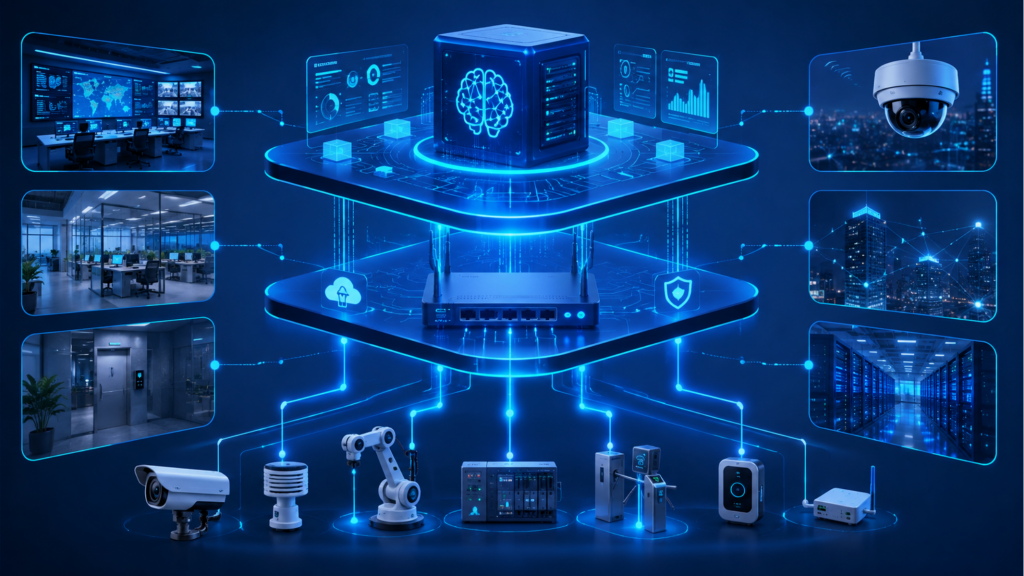
A practical AI infrastructure model often includes three important layers:
AI Agent Server
The AI Agent Server acts as the intelligence layer. It processes data, supports automation, and enables AI agents to analyze situations, recommend actions, or trigger workflows. For enterprise environments, this layer can support use cases such as security event analysis, visitor behavior insights, smart building automation, and operational alerts. In Bainisys solutions, this concept can be applied across platforms such as Command Center, Smart CCTV, Smart Workplace, and integrated security systems where AI can support faster and more informed decision-making.
Edge Gateway
The Edge Gateway connects physical devices and operational data closer to the source. Instead of sending every piece of data to the cloud or central server, some processing can happen near the device or site. This approach helps reduce latency, improve response time, and support real-time operations. It is especially important for smart buildings, access control, parking systems, CCTV, IoT devices, and command center environments. For Bainisys, the Edge Gateway concept is closely related to solutions such as Network Infrastructure, Smart Workplace, Smart CCTV, Parking Management, and Access Control systems that require stable, secure, and real-time communication between devices and platforms.
Integration Layer
The Integration Layer connects different systems together. This layer allows AI to work across multiple platforms instead of staying inside one application. For example, access control data can connect with visitor management, CCTV events, parking information, and command center dashboards. When these systems are integrated, AI can provide better context, support faster response, and improve operational visibility. Bainisys solutions such as ARES – Access Control Integration Platform, RoomMinister, Smart Workplace Solution, Visitor Management System, Parking Management System, and Command Center Solution are examples of platforms that can benefit from a strong integration layer.
Why AI Needs Infrastructure
AI cannot create value without reliable infrastructure. It needs accurate data, secure networks, connected devices, and a system architecture that can support real-time processing.
For organizations, this means AI implementation should not begin only with choosing an AI tool. It should begin with preparing the right foundation.
A strong AI infrastructure helps organizations:
- Connect data from multiple systems
- Reduce manual monitoring and repetitive tasks
- Improve real-time decision-making
- Support automation across physical and digital environments
- Strengthen security operations
- Prepare for future AI-driven services
AI in Smart Security and Physical Infrastructure
One of the clearest examples of AI becoming infrastructure is in smart security.
Security systems today are no longer limited to cameras, access cards, or alarms. They are becoming intelligent ecosystems that can detect events, analyze patterns, and support real-time response.
For example, AI can help Smart CCTV systems identify people, vehicles, unusual behavior, or potential threats. Access Control systems can use data to support identity verification, visitor access, and occupancy monitoring. Command Center platforms can combine data from CCTV, access control, fire alarm, building systems, and IoT devices to provide a complete operational view.
This is where Bainisys solutions become relevant. By combining Smart CCTV, Access Control, Command Center, Network Infrastructure, and Smart Workplace platforms, organizations can build an AI-ready foundation for modern physical security operations.
AI in Smart Workplace and Building Operations
AI infrastructure also plays an important role in smart workplace environments.
In a modern office or building, many systems generate useful data every day. Meeting rooms, visitor registration, hot desk booking, access control, parking, CCTV, and IoT devices all provide operational signals.
When these systems are connected through a central platform such as Smart Workplace Solution or RoomMinister, AI can help organizations understand usage patterns, improve space efficiency, automate workflows, and enhance user experience.
For example, AI can support better building management by analyzing room usage, visitor traffic, parking activity, and security events. As a result, organizations can make better decisions based on actual data rather than manual observation alone.
AI at the Edge
As more devices become connected, not every decision should depend on a central server or cloud platform. Some decisions need to happen closer to the device.
This is why edge computing is becoming an important part of AI infrastructure.
In security and smart building environments, edge processing can support faster event detection, lower latency, and more reliable operation. Cameras, access control devices, gateways, and sensors can process or filter data before sending it to the central platform.
For Bainisys projects, this is especially relevant in CCTV, parking, access control, and smart building solutions where response speed and system reliability are important.
AI Will Sit Beside Database and Network as Core Infrastructure
The next stage of enterprise technology will not treat AI as an optional add-on. AI will become part of the core infrastructure layer, similar to databases, servers, networks, and cybersecurity systems.
Organizations that prepare early will have an advantage. They will be able to connect systems more effectively, automate operations faster, and create smarter environments for employees, visitors, customers, and security teams.
This shift also changes how organizations should plan technology projects. Instead of asking only “Which AI application should we use?”, organizations should also ask:
- Is our network ready for AI-driven operations?
- Can our systems share data securely?
- Do we have an integration layer that connects devices and platforms?
Can edge devices support real-time processing?
- Can our command center or dashboard use data from multiple systems?
Bainisys Application: Building AI-Ready Infrastructure
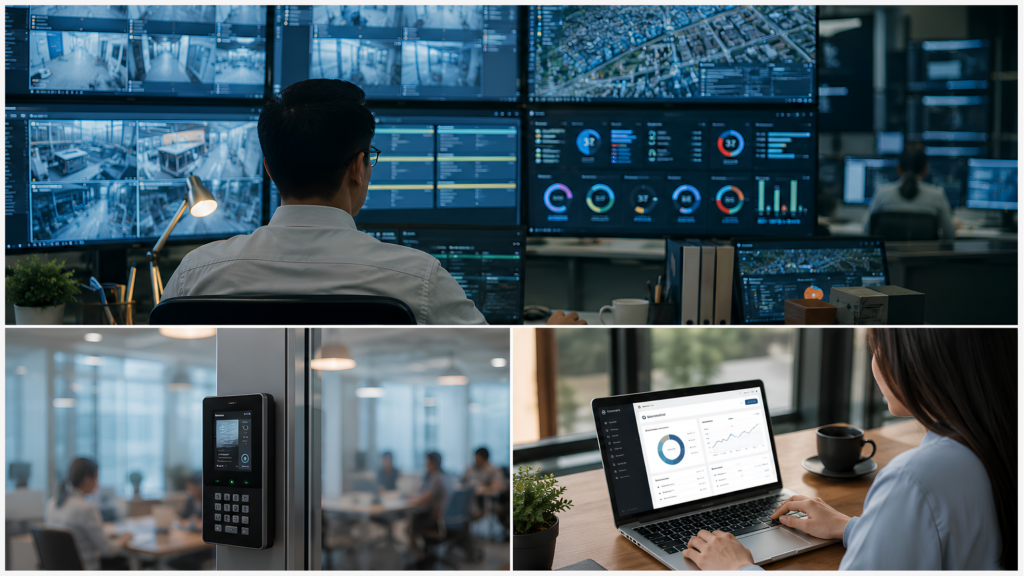
Bainisys supports organizations in building connected infrastructure for smart security, smart workplace, and integrated building operations.
Relevant Bainisys solutions include:
Network Infrastructure Solution
Supports reliable connectivity for AI-ready environments, including wired and wireless networks, edge gateways, and centralized network management.
Smart CCTV System
Supports intelligent video monitoring, AI-powered detection, real-time alerts, and centralized video management.
Access Control System
Supports secure identity verification, user access management, visitor integration, and physical security workflows.
Command Center Solution
Acts as a centralized platform for monitoring, incident response, and operational decision-making across multiple systems.
Smart Workplace Solution
Connects workplace systems such as visitor management, meeting room booking, hot desk booking, parking, access control, and dashboard analytics.
RoomMinister Platform
Supports visitor management, parking management, meeting room booking, hot desk booking, and smart building workflows within one connected ecosystem.
ARES – Access Control Integration Platform
Supports access control integration and connects multiple security systems into a more unified operational environment.
Conclusion
AI is becoming infrastructure because modern organizations need intelligence built into the foundation of their operations.
AI Agent Servers, Edge Gateways, and Integration Layers will become essential components of future-ready systems. They will help organizations connect data, automate workflows, improve security, and support faster decision-making.
For organizations planning smart security, smart workplace, or integrated infrastructure projects, the goal is not only to adopt AI applications. The goal is to prepare the infrastructure that allows AI to work securely, reliably, and effectively across the entire organization.