
Zero Trust Security Platform: เมื่อความปลอดภัยกลายเป็นความจริงของสังคมองค์กร
Zero Trust Security Platform ไม่ได้เป็นเพียงแนวคิดด้านความปลอดภัยของระบบ IT อีกต่อไป แต่กำลังกลายเป็น “ความจริงใหม่” ขององค์กรยุคปัจจุบัน เมื่อขอบเขตขององค์กรไม่ชัดเจนเหมือนในอดีต การทำงานไม่ได้จำกัดอยู่แค่ในสำนักงาน และผู้ใช้งานสามารถเข้าถึงระบบจากหลายสถานที่ หลายอุปกรณ์ และหลายบริบท ในสภาพแวดล้อมการทำงานยุคใหม่ ความไว้วางใจไม่สามารถอ้างอิงจากตำแหน่งงาน สถานที่ทำงาน หรือการเชื่อมต่อเครือข่ายเพียงอย่างเดียวได้อีกต่อไป แต่ต้องอาศัยการตรวจสอบตัวตน บริบท พฤติกรรม และเงื่อนไขการเข้าถึงอย่างต่อเนื่อง
2026-01-13
ดร.พงษ์ศักดิ์ วงศ์เลิศคุณากร
ดร.พงษ์ศักดิ์ วงศ์เลิศคุณากร
- ที่ปรึกษาด้านสถานที่ทำงาน
- ปริญญาเอก (Ph.D.) สาขาการจัดการจากสถาบันบัณฑิตพัฒนบริหารศาสตร์
- ปริญญาโท (M.S.) สาขาวิทยาการคอมพิวเตอร์และสารสนเทศจาก มหาวิทยาลัยเพนซิลเวเนีย
- ปริญญาตรี (B.Eng.) สาขาวิศวกรรมคอมพิวเตอร์จาก จุฬาลงกรณ์มหาวิทยาลัย
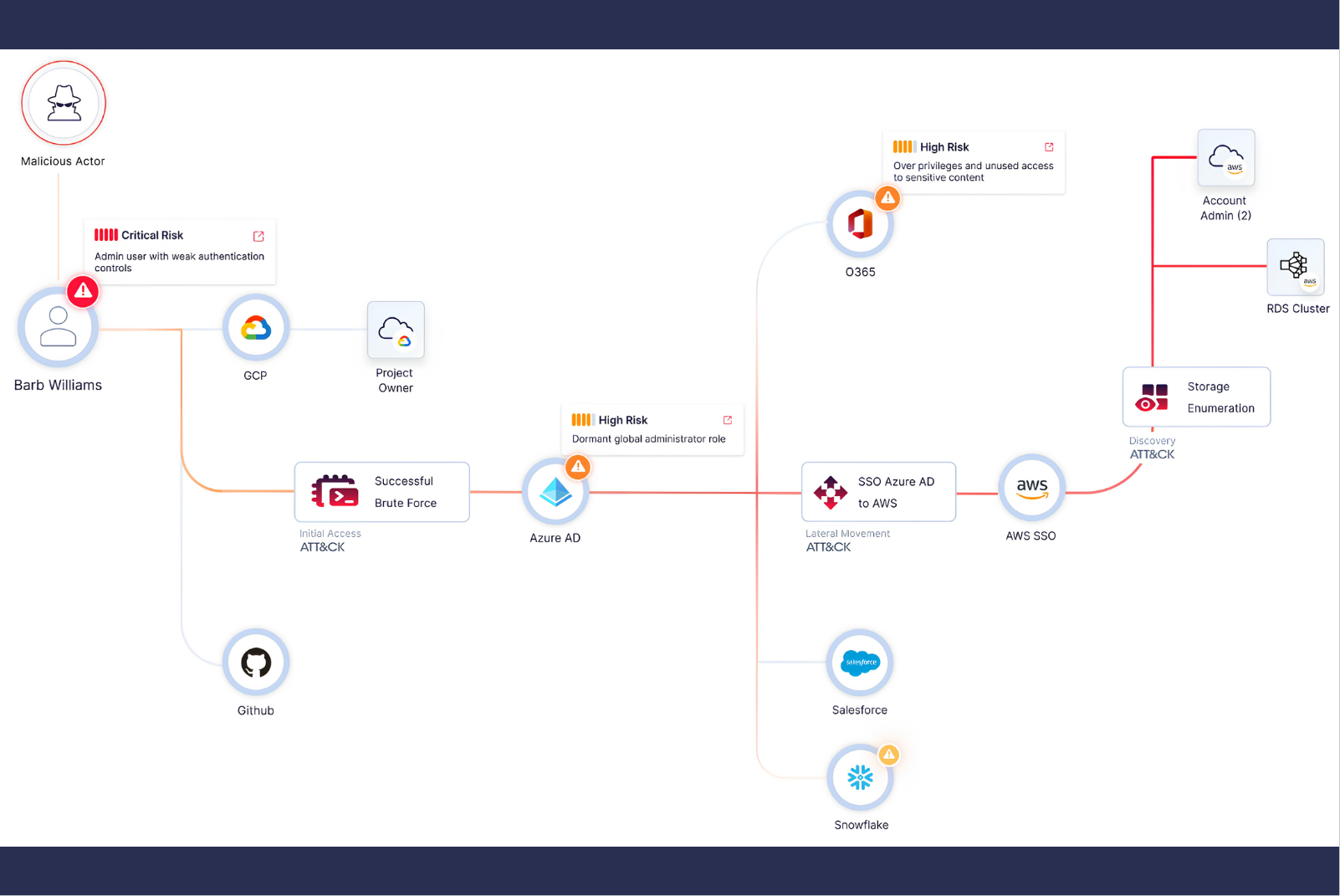
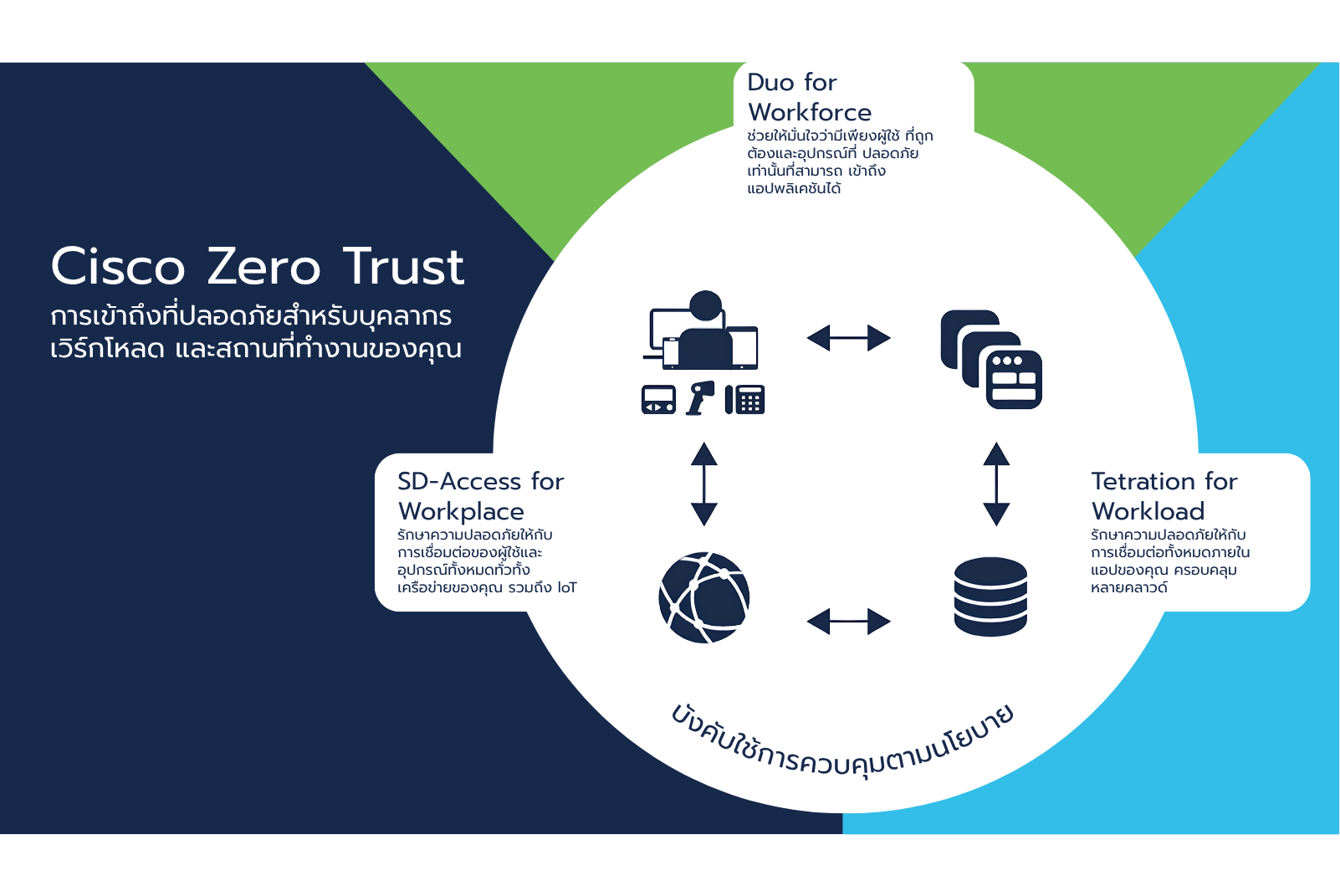
แนวคิด Zero Trust สะท้อนการเปลี่ยนแปลงสำคัญในการบริหารจัดการความปลอดภัยขององค์กร พนักงาน ผู้มาติดต่อ ผู้รับเหมา และพันธมิตรทางธุรกิจ อาจเข้าถึงระบบหรือทรัพยากรขององค์กรจากสถานที่ อุปกรณ์ และสภาพแวดล้อมที่แตกต่างกัน ด้วยเหตุนี้ องค์กรจึงต้องมีสถาปัตยกรรมด้านความปลอดภัยที่สามารถตรวจสอบทุกคำขอเข้าถึงได้อย่างเหมาะสม โดยไม่สร้างความยุ่งยากหรือแรงเสียดทานให้กับผู้ใช้งานมากเกินไป
ทำไม Zero Trust Security Platform จึงสำคัญ
Zero Trust Security Platform ที่มีประสิทธิภาพตั้งอยู่บนหลักการสำคัญว่า ไม่ควรไว้วางใจผู้ใช้งาน อุปกรณ์ หรือ Session ใด ๆ โดยอัตโนมัติ ทุกการเข้าถึงต้องถูกประเมินจากตัวตน บทบาท บริบท และระดับความเสี่ยงในขณะนั้น
ในมุมมองเชิงเทคนิค การนำ Zero Trust มาใช้อย่างมีประสิทธิภาพควรประกอบด้วยองค์ประกอบสำคัญ เช่น
- การออกแบบระบบโดยยึดตัวตนเป็นศูนย์กลาง
- การยืนยันตัวตนอย่างต่อเนื่อง
- การกำหนดสิทธิ์ขั้นต่ำเท่าที่จำเป็น
- การควบคุมการเข้าถึงตาม Session
- การอนุมัติการเข้าถึงตามบริบท
- การตรวจสอบการเข้าถึงแบบเรียลไทม์
ความท้าทายสำคัญคือ องค์กรต้องรักษาระดับความปลอดภัยให้เข้มงวด โดยไม่ทำให้ผู้ใช้งานรู้สึกว่าถูกจำกัด ถูกควบคุม หรือใช้งานระบบได้ยากเกินไป หากระบบความปลอดภัยซับซ้อนมากเกินไป ผู้ใช้งานอาจรู้สึกติดขัด ล่าช้า หรือไม่สะดวกในการทำงาน ดังนั้น แพลตฟอร์มความปลอดภัยยุคใหม่จึงต้องสร้างสมดุลระหว่างการควบคุมการเข้าถึงที่เข้มงวด กับประสบการณ์ใช้งานที่เรียบง่าย ลื่นไหล และเป็นธรรมชาติ
การยืนยันตัวตนอย่างต่อเนื่องและการเข้าถึงตามบริบท
ในระบบ Zero Trust การอนุญาตให้เข้าถึงไม่ได้จบลงแค่การล็อกอินครั้งแรก แต่ระบบจะประเมินอย่างต่อเนื่องว่าผู้ใช้งาน อุปกรณ์ Session และบริบทการใช้งานยังคงมีความน่าเชื่อถืออยู่หรือไม่
ตัวอย่างเช่น การตัดสินใจให้เข้าถึงระบบอาจพิจารณาจากบทบาทของผู้ใช้งาน ตำแหน่งที่ใช้งาน สถานะของอุปกรณ์ ช่วงเวลาที่เข้าถึง นโยบายขององค์กร และพฤติกรรมการใช้งานโดยรวม วิธีนี้ช่วยให้องค์กรสามารถบังคับใช้นโยบายความปลอดภัยได้แบบยืดหยุ่นและทันต่อสถานการณ์ แทนที่จะพึ่งพากฎตายตัวเพียงอย่างเดียว
แพลตฟอร์มยุคใหม่จึงนิยมใช้โมเดลการเข้าถึงแบบ Session-based Access และ Contextual Authorization เพื่อให้ผู้ใช้งานยังสามารถทำงานได้อย่างราบรื่น ขณะที่ระบบความปลอดภัยทำหน้าที่ตรวจสอบอย่างต่อเนื่องอยู่เบื้องหลัง
การผสานรวมกับ Bainnisys Security Platform
แนวคิดของ Zero Trust Security Platform สอดคล้องกับสถาปัตยกรรมของ Bainnisys Security Platform ซึ่งถูกออกแบบมาเพื่อรวมระบบควบคุมการเข้าถึง ระบบสถานที่ทำงาน และข้อมูลด้านความปลอดภัยไว้ในระบบนิเวศดิจิทัลเดียวกัน
Bainnisys ช่วยให้องค์กรสามารถบังคับใช้นโยบายการเข้าถึงได้จากฝั่งระบบหลังบ้าน ขณะเดียวกันยังคงทำให้ประสบการณ์ของผู้ใช้งานเรียบง่ายและใช้งานได้จริง แทนที่จะให้ผู้ใช้งานต้องทำความเข้าใจกฎความปลอดภัยที่ซับซ้อน ระบบสามารถจัดการตรรกะการเข้าถึงอยู่เบื้องหลัง และแสดงเฉพาะสิทธิ์ ข้อมูล หรือการดำเนินการที่เกี่ยวข้องกับผู้ใช้งานแต่ละคนเท่านั้น
ความสามารถที่เกี่ยวข้องกับแนวคิด Zero Trust ได้แก่
- การควบคุมการเข้าถึงตามนโยบายขององค์กร
- การจัดการสิทธิ์ตามบทบาทของผู้ใช้งาน
- การเชื่อมต่อกับระบบ Workplace และระบบรักษาความปลอดภัย
- การอนุมัติการเข้าถึงตามบริบทของผู้ใช้งานและพื้นที่
- การบริหารจัดการความปลอดภัยจากศูนย์กลาง
- การลดแรงเสียดทานในการใช้งาน เพื่อให้ผู้ใช้งานทำงานได้อย่างต่อเนื่อง
ด้วยการเชื่อมโยงการทำงานของสถานที่ทำงาน ตัวตนของผู้ใช้งาน และระบบควบคุมการเข้าถึง Bainnisys ช่วยให้องค์กรสามารถเปลี่ยนจากระบบความปลอดภัยแบบอิงกฎตายตัว ไปสู่โมเดลที่ปรับเปลี่ยนได้ตามบริบทและความเสี่ยงจริง
Zero Trust สำหรับ Digital Workplace ยุคใหม่
เมื่อสถานที่ทำงานกลายเป็นระบบดิจิทัลมากขึ้น มีความยืดหยุ่นมากขึ้น และขับเคลื่อนด้วยซอฟต์แวร์มากขึ้น องค์กรจึงต้องการแพลตฟอร์มความปลอดภัยที่รองรับการทำงานแบบ Hybrid Work, Smart Office และการควบคุมการเข้าถึงระดับองค์กร
Zero Trust เป็นแนวทางสำคัญที่ช่วยให้องค์กรก้าวผ่านการเปลี่ยนแปลงนี้ได้ โดยทำให้ทุกคำขอเข้าถึงต้องผ่านการตรวจสอบจากบริบทปัจจุบัน แทนที่จะอาศัยความไว้วางใจจากสถานะเดิมของผู้ใช้งาน เมื่อทำงานร่วมกับ Bainnisys องค์กรสามารถสร้าง Digital Workplace ที่ปลอดภัยมากขึ้น โดยให้ระบบ Access Control, Workplace Management และ Security Policy ทำงานร่วมกันอย่างเป็นระบบ แนวทางนี้ช่วยลดความเสี่ยงในการดำเนินงาน เพิ่มการมองเห็นภาพรวม และสนับสนุนโครงสร้างพื้นฐานด้านความปลอดภัยที่ชาญฉลาดมากขึ้น
คุณค่าทางธุรกิจของ Zero Trust Security
การนำแนวคิด Zero Trust มาใช้ช่วยสร้างประโยชน์ให้กับองค์กรหลายด้าน ได้แก่
- ลดความเสี่ยงจากการเข้าถึงโดยไม่ได้รับอนุญาต
- ควบคุมสิทธิ์ผู้ใช้งานได้แม่นยำมากขึ้น
- เพิ่มการมองเห็นภาพรวมของระบบ Workplace และระบบรักษาความปลอดภัย
- สนับสนุนการปฏิบัติตามนโยบายความปลอดภัยภายในองค์กร
- ลดความยุ่งยากสำหรับผู้ใช้งานที่ได้รับอนุญาต
- ช่วยให้องค์กรตัดสินใจด้านความปลอดภัยได้ยืดหยุ่นและเหมาะสมกับสถานการณ์มากขึ้น
ผลลัพธ์คือสภาพแวดล้อมด้านความปลอดภัยที่ทั้งเข้มงวดและเป็นมิตรกับผู้ใช้งาน องค์กรยังคงควบคุมระบบได้อย่างมั่นใจ ขณะที่พนักงานและผู้ใช้งานที่ได้รับอนุญาตสามารถทำงานได้อย่างต่อเนื่องและไม่สะดุด
ข้อสรุป
Zero Trust ไม่ได้เป็นเพียงโมเดลด้านความปลอดภัยเชิงเทคนิคเท่านั้น แต่เป็นแนวทางใหม่ในการบริหาร “ความไว้วางใจ” ภายในองค์กรยุคดิจิทัล Zero Trust Security Platform ช่วยให้องค์กรสามารถตรวจสอบตัวตนอย่างต่อเนื่อง กำหนดสิทธิ์การเข้าถึงเท่าที่จำเป็น และตัดสินใจด้านความปลอดภัยจากบริบทแบบเรียลไทม์
เมื่อทำงานร่วมกับ Access Control Solutions, ระบบจัดการผู้มาติดต่อ VMSแนวทาง Roomminister Smart Workplace Platformจะกลายเป็นส่วนหนึ่งของระบบนิเวศที่ทำงานเชื่อมโยงกันในองค์กรดิจิทัล โดยระบบรักษาความปลอดภัยจะทำงานอยู่เบื้องหลังอย่างต่อเนื่อง ขณะที่ผู้ใช้งานยังคงได้รับประสบการณ์การเข้าถึงที่ราบรื่น และองค์กรสามารถควบคุมสภาพแวดล้อมการทำงานได้อย่างมั่นคงมากขึ้น
สำหรับข้อมูลเพิ่มเติมเกี่ยวกับหลักการ Zero Trust สามารถศึกษาเพิ่มเติมได้จาก NIST Zero Trust Architecture หรือ Microsoft Zero Trust security resources.