จากเครื่องมือสู่แพลตฟอร์ม: การบูรณาการคือกุญแจสู่ความสำเร็จในปี 2026
Integrated Digital Platforms are becoming essential for organizations in 2026 because businesses can no longer rely on disconnected tools to manage complex operations. As workplaces, logistics processes, enterprise security, and business workflows become more digital, organizations need platforms that connect systems, data, people, and operations into one unified ecosystem.
In the past, many companies adopted separate tools for different tasks. One system managed workplace bookings, another handled access control, another supported visitor management, and another stored operational data. While these tools may work individually, they often create gaps when they do not communicate with each other.
As a result, organizations face operational blind spots, inconsistent data, higher maintenance costs, and increased security risk. Therefore, integration is no longer only a technical preference. It has become a strategic requirement for modern enterprises.
2026-01-08
ดร.พงษ์ศักดิ์ วงศ์เลิศคุณากร
ดร.พงษ์ศักดิ์ วงศ์เลิศคุณากร
- ที่ปรึกษาด้านสถานที่ทำงาน
- ปริญญาเอก (Ph.D.) สาขาการจัดการจากสถาบันบัณฑิตพัฒนบริหารศาสตร์
- ปริญญาโท (M.S.) สาขาวิทยาการคอมพิวเตอร์และสารสนเทศจาก มหาวิทยาลัยเพนซิลเวเนีย
- ปริญญาตรี (B.Eng.) สาขาวิศวกรรมคอมพิวเตอร์จาก จุฬาลงกรณ์มหาวิทยาลัย
Why Integrated Digital Platforms Matter
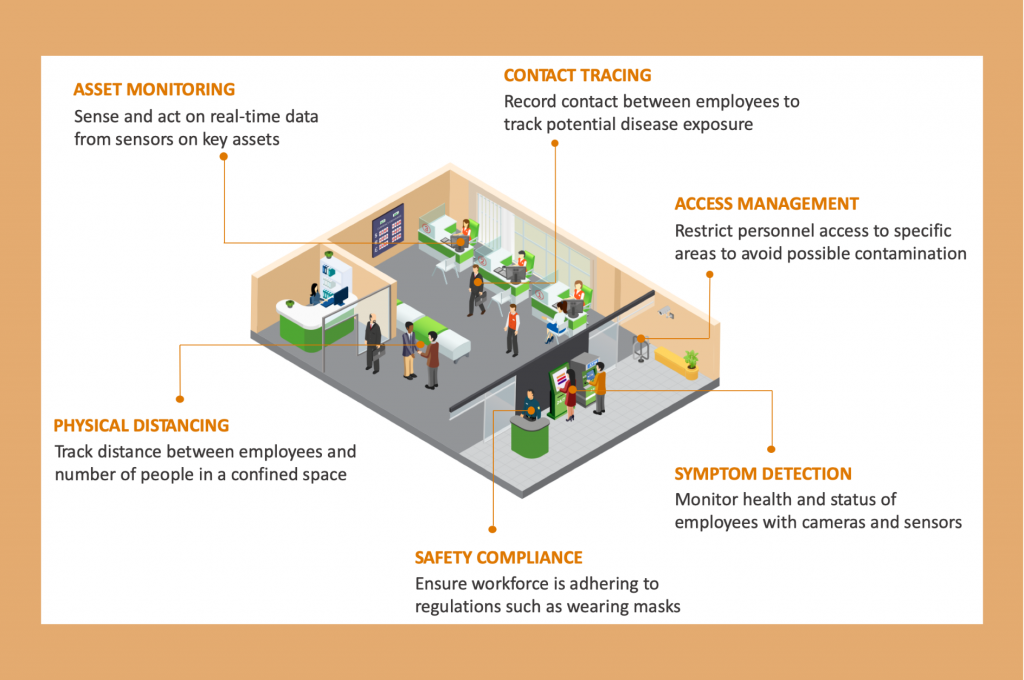
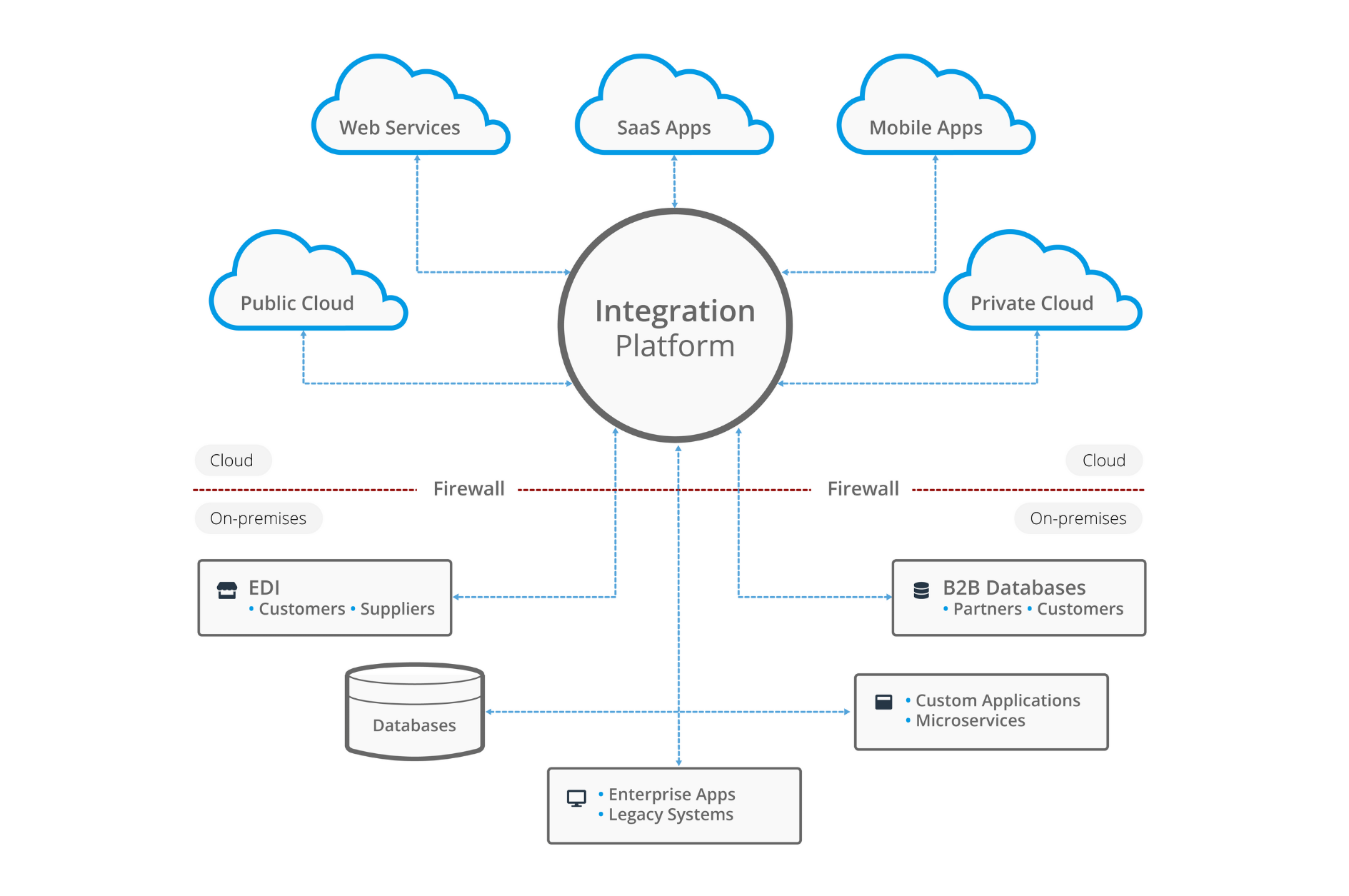
Integrated Digital Platforms help organizations move away from fragmented systems and toward a more connected operating model. Instead of managing many separate tools, companies can use one platform or connected ecosystem to improve visibility, control, and scalability.
When systems work together, teams can access more reliable information. Managers can make faster decisions. Security teams can monitor risks more clearly. Operations teams can reduce duplicate work. In addition, organizations can scale more predictably because their systems follow a more unified structure.
This shift allows businesses to ask a more important question: not “How many tools do we have?” but “How well do our systems work together?”
The Problem with Disconnected Tools
Disconnected tools often create complexity over time. At first, each tool may solve a specific problem. However, as the organization grows, these separate systems can become harder to manage.
Fragmented systems can create several challenges:
- Operational blind spots across teams and locations
- Inconsistent or duplicated data
- Higher maintenance and integration costs
- Increased security and compliance risks
- More manual work for administrators
- Slower decision-making due to scattered information
For example, if visitor data, access control records, meeting room bookings, and workplace usage data sit in separate systems, the organization may struggle to see the full picture. This can make daily operations slower and increase the risk of errors.
From Standalone Tools to Platform-Based Architecture
A platform-based architecture solves this problem by connecting key functions into a more unified environment. Instead of treating each system as a separate tool, organizations can manage operations through integrated workflows and shared data.
This approach provides several benefits:
- ให้ภาพรวมการดำเนินงานที่ชัดเจน
- More consistent data across systems
- Better governance and control
- ขยายระบบได้อย่างมั่นคง
- Stronger security management
- More efficient daily operations
With this model, technology becomes easier to manage and more valuable to the business. Teams no longer need to switch between disconnected systems or manually compare data from multiple sources. Instead, the platform supports a clearer and more reliable operating model.
Bainnisys and Integrated Digital Platforms
The concept of Integrated Digital Platforms aligns closely with the direction of Bainnisys, which provides digital transformation solutions designed to connect workplace management, enterprise security, logistics operations, and business processes.
Bainnisys focuses on building platforms that help organizations reduce fragmented workflows and improve operational visibility. Rather than offering only isolated tools, Bainnisys solutions connect data, users, permissions, spaces, and processes into integrated digital ecosystems.
Relevant Bainnisys solutions include:
- Bainnisys Security Platform for access control, security management, identity logic, and centralized visibility
- Roomminister for meeting room booking, hotdesk management, visitor management, and smart workplace operations
- Bainnisys e-Delivery Order (e-D/O) for digital logistics workflows, paperless document exchange, and import-export process efficiency
- Integrated workplace and security solutions that connect people, spaces, access rights, and operational data
Together, these solutions help organizations replace disconnected systems with platforms that support real business operations.
Integration for Workplace, Security, and Logistics
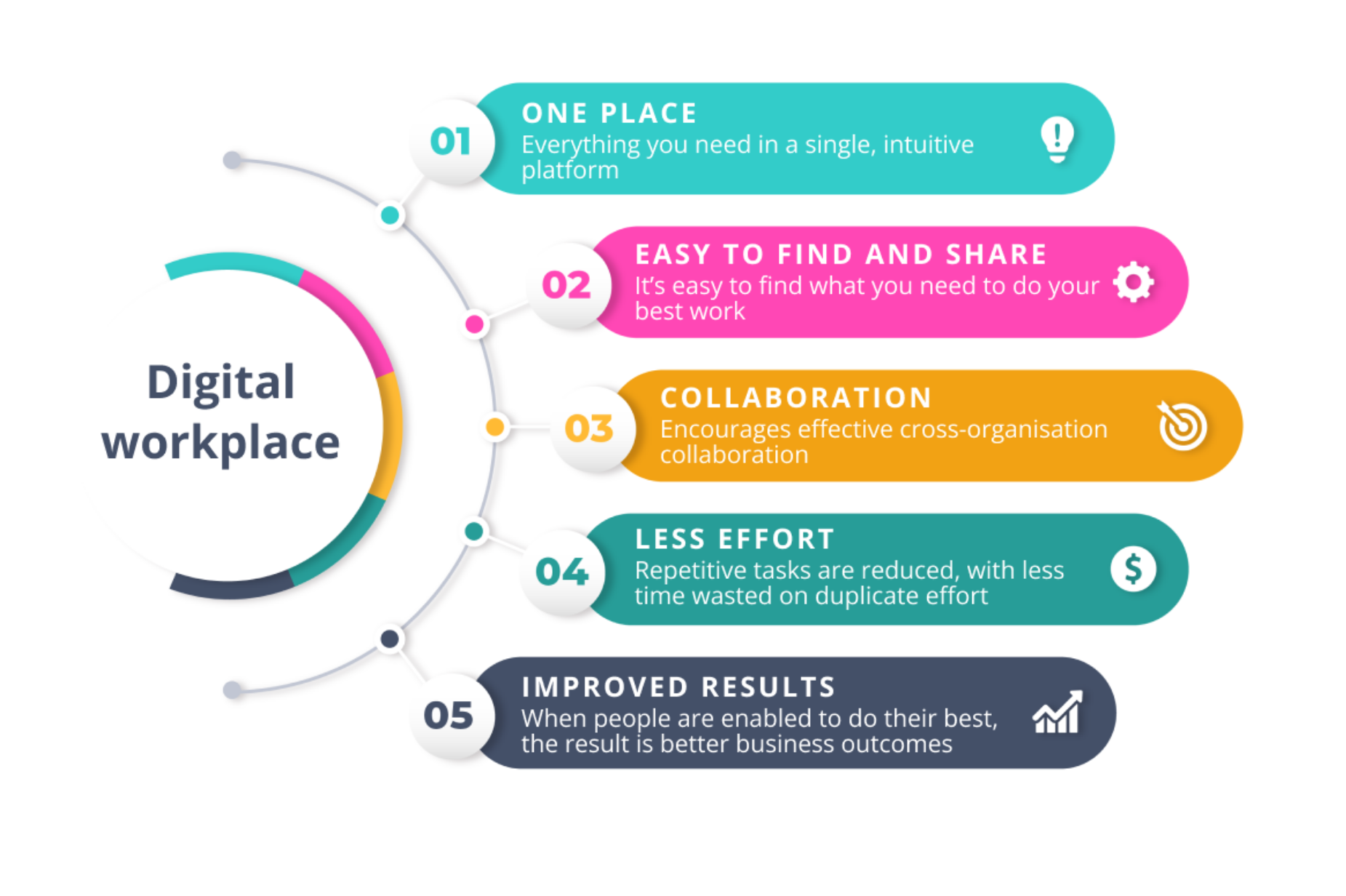
Integration creates value when different systems work together in practical ways. For example, a workplace platform can connect room booking, visitor registration, and space utilization data. As a result, organizations can manage office resources more efficiently.
Similarly, an enterprise security platform can connect access control, identity management, visitor data, and security policies. This helps security teams manage access rights more accurately and reduce operational risk.
In logistics, an integrated e-Delivery Order platform helps connect shipping lines, consignees, freight forwarders, and port-related processes. Therefore, organizations can reduce paper-based work, improve transparency, and exchange information faster.
These examples show why integration matters. It does not only connect systems technically. It connects daily operations in a way that creates measurable value.
Business Value of Integrated Digital Platforms
Organizations that adopt integrated platforms can gain stronger control over operations. They can also reduce complexity and improve long-term scalability.
Key business benefits include:
- Better visibility across operations
- Faster and more accurate decision-making
- Lower system maintenance complexity
- Reduced manual work and duplicated processes
- Stronger governance and security control
- Improved user experience across workplace and enterprise systems
- Better readiness for future business expansion
Moreover, integrated platforms help organizations build a stronger digital foundation. When systems share data and support common workflows, the business becomes more agile and easier to manage.
ข้อสรุป
Organizations in 2026 are moving away from disconnected tools and toward Integrated Digital Platforms. Fragmented systems may solve short-term problems, but they often create long-term complexity, data inconsistency, higher costs, and security risks.
Platform-based architecture gives organizations unified visibility, predictable scalability, stronger governance, and better control. With solutions such as Bainnisys Security Platform, Roomminister, และ Bainnisys e-Delivery Order, Bainnisys helps organizations connect people, systems, data, and operations into one more intelligent digital ecosystem.
Integration is no longer just a technical choice. It is a strategic requirement for organizations that want to operate efficiently, securely, and sustainably in 2026 and beyond.