From smart workplace management to global logistics solutions, we’re building the future of business operations with innovation and security at our core.
Transforming Logistics with Digital Innovation
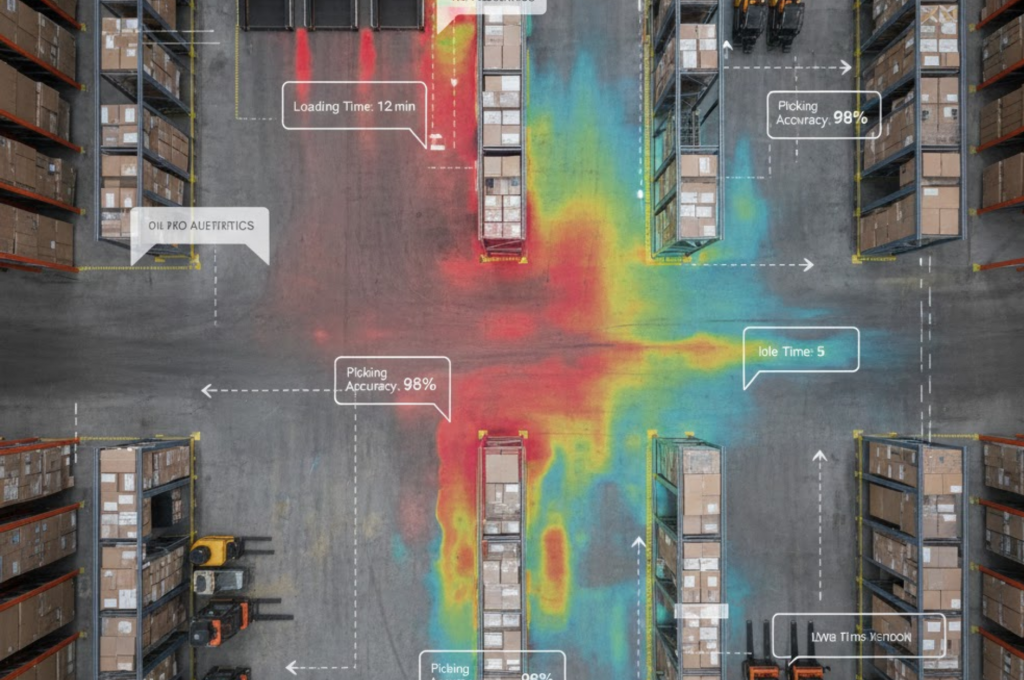
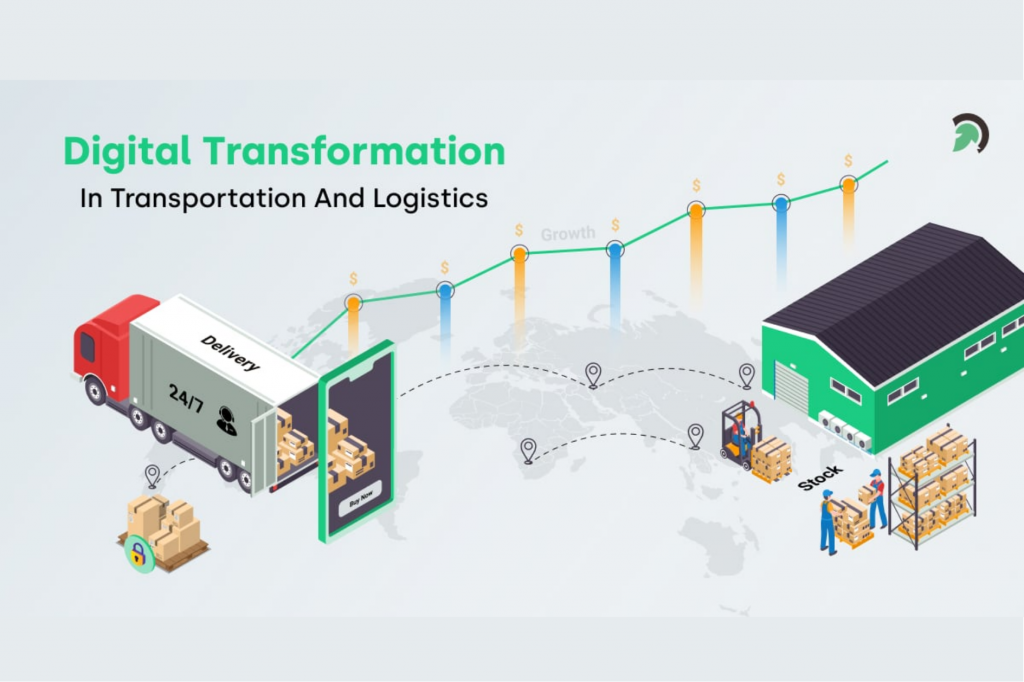
Bainisys is driving digital transformation in logistics with its advanced e-Delivery Order (e-D/O) platform—creating a fully digitized, paperless trade environment for the import-export industry. By connecting shipping lines, consignees, freight forwarders, and port authorities on a single secure platform, Bainisys streamlines document exchange, reduces delays, and enhances transparency. Through innovation and seamless integration, we enable smarter, faster, and more sustainable logistics operations.
The Story of Us
From humble beginnings to global innovation
Founded in 2005, Bainisys set out to transform how businesses operate—with smart, secure solutions for the workplace and beyond.
Today, our product is part of a growing global ecosystem, evolving from our roots at Bainisys into solutions that support everything from office management to international logistics.
It becomes more than a product. Our journey has just begun. Follow us for what’s next.
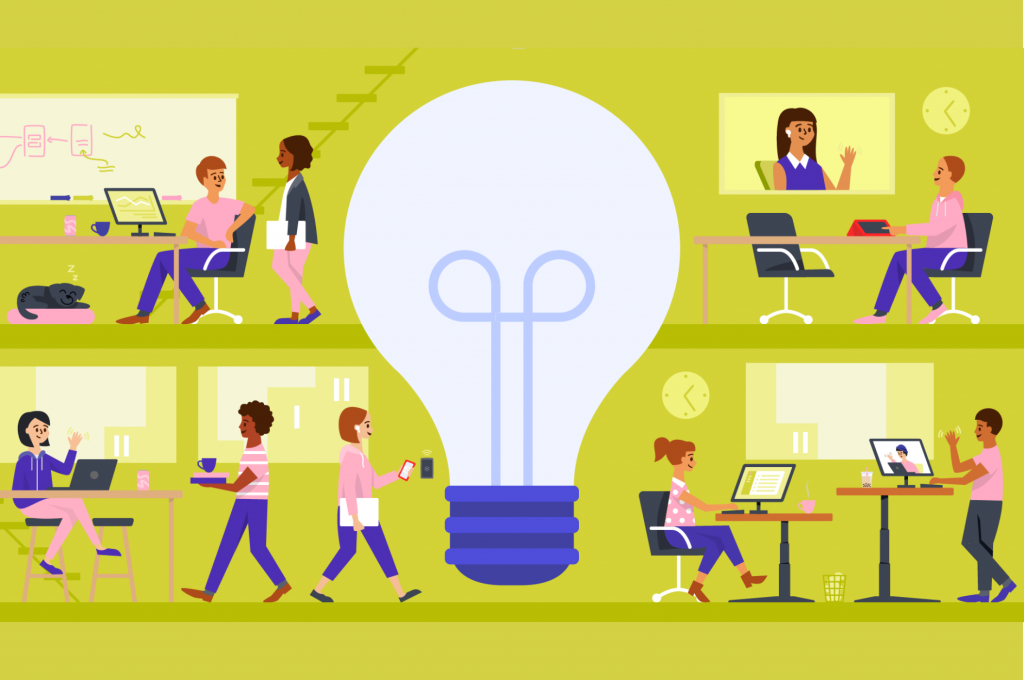
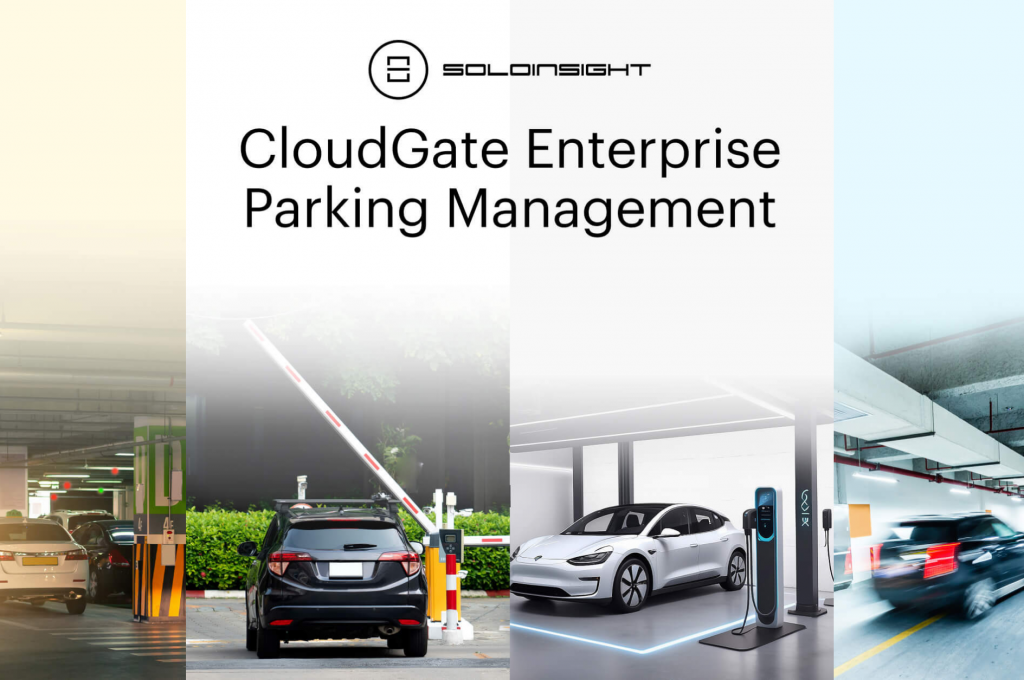
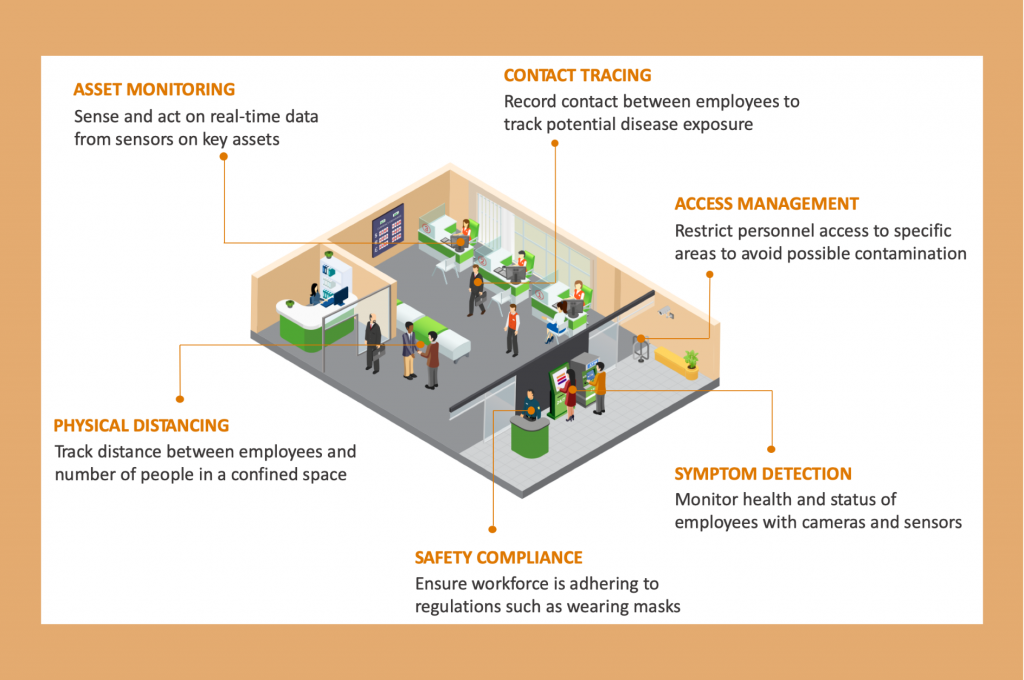
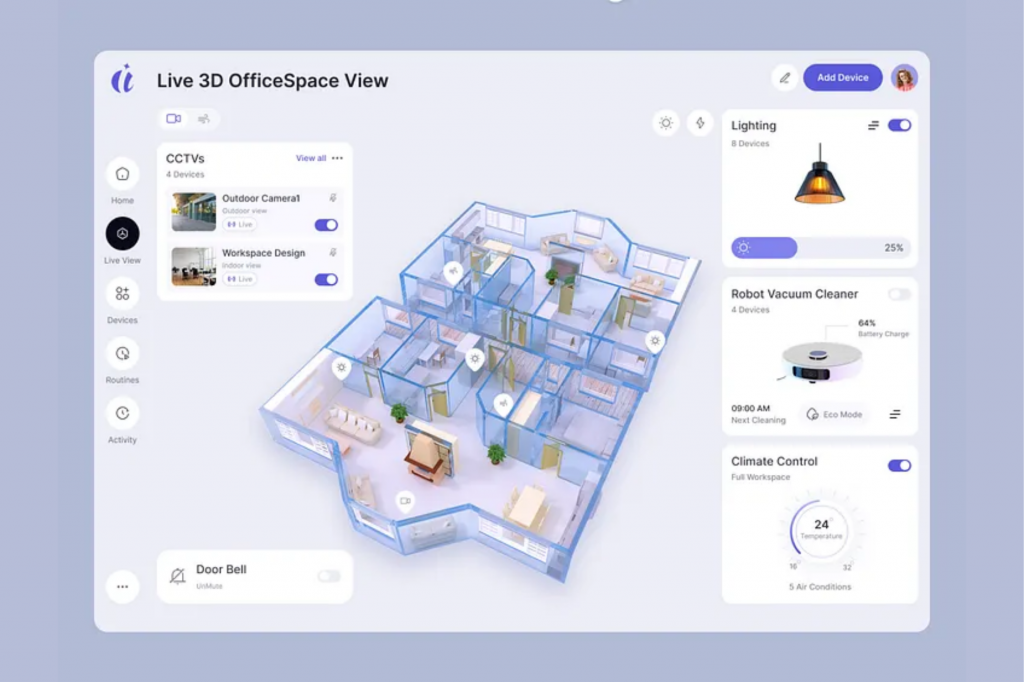
Roomminister unifies meeting rooms, desks, visitors, and parking into one smart workplace platform, integrating calendars, security, and enterprise systems for scalable operations.
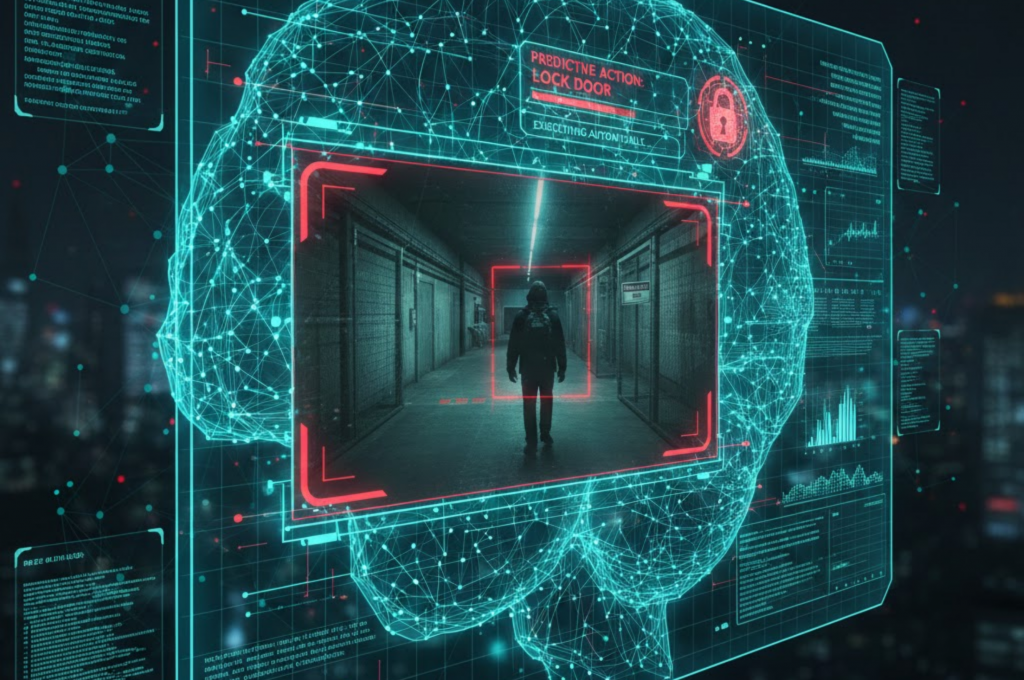
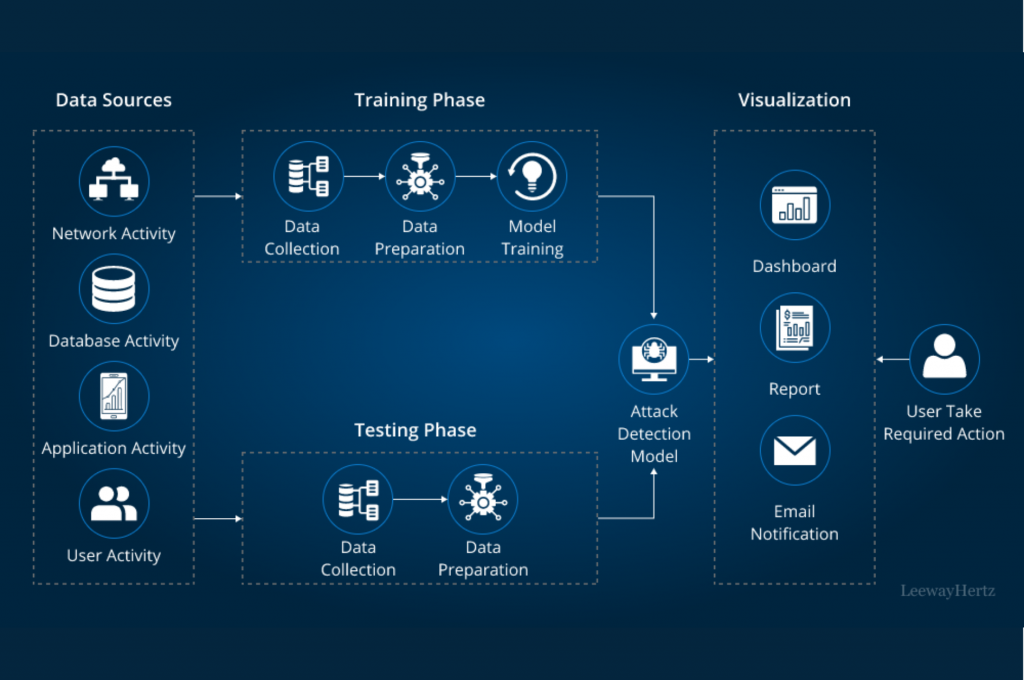
Agentic AI acts autonomously, shifting security from reactive monitoring to predictive intervention by detecting anomalies and responding without human commands.
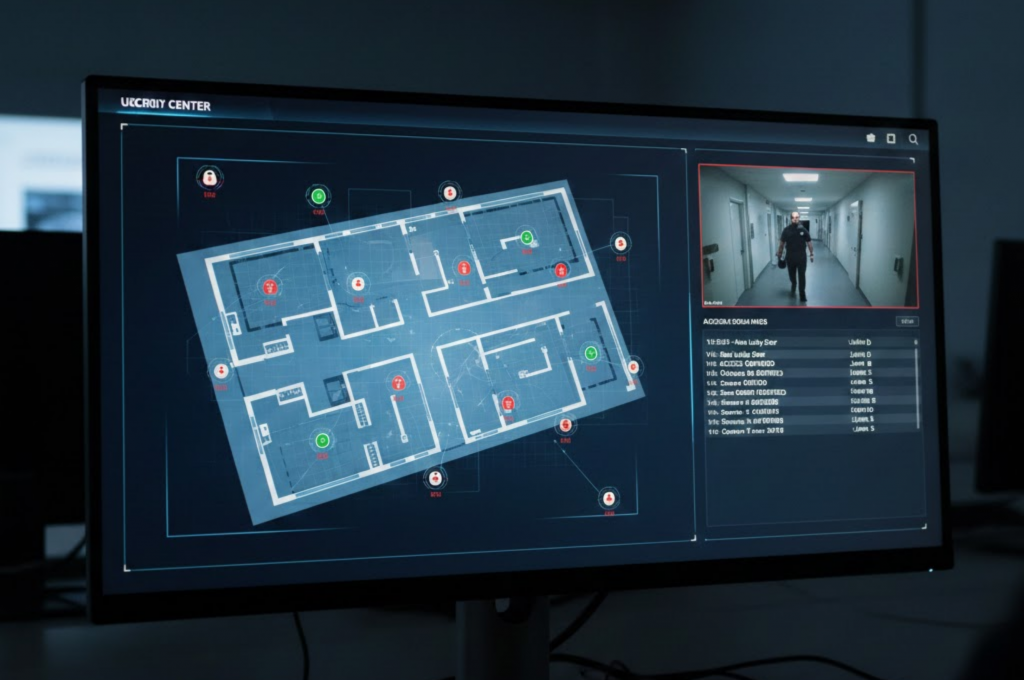
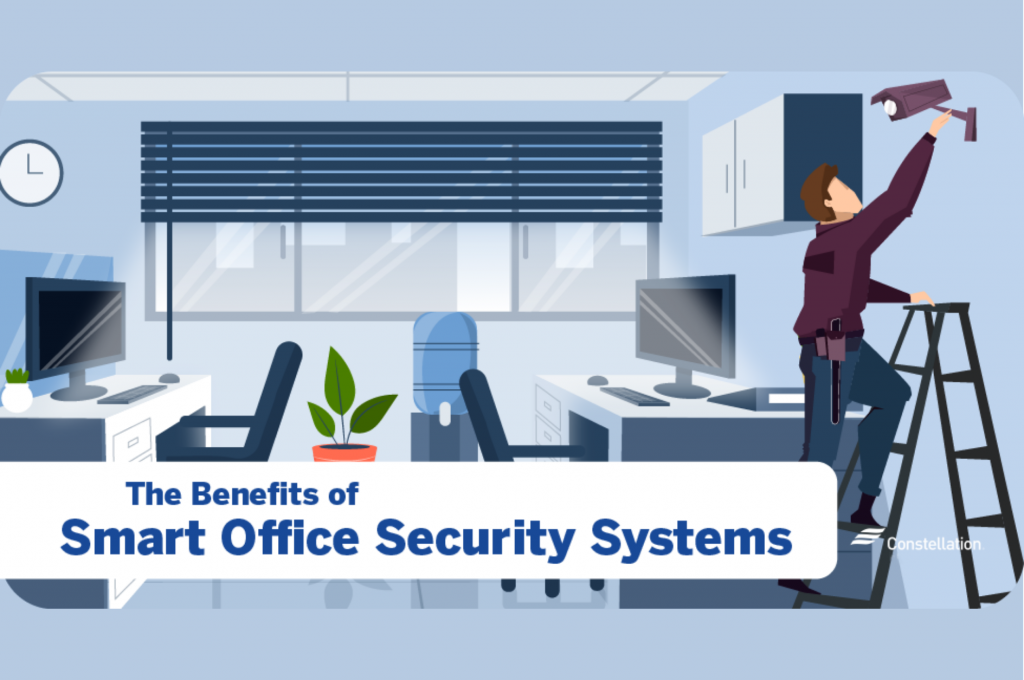
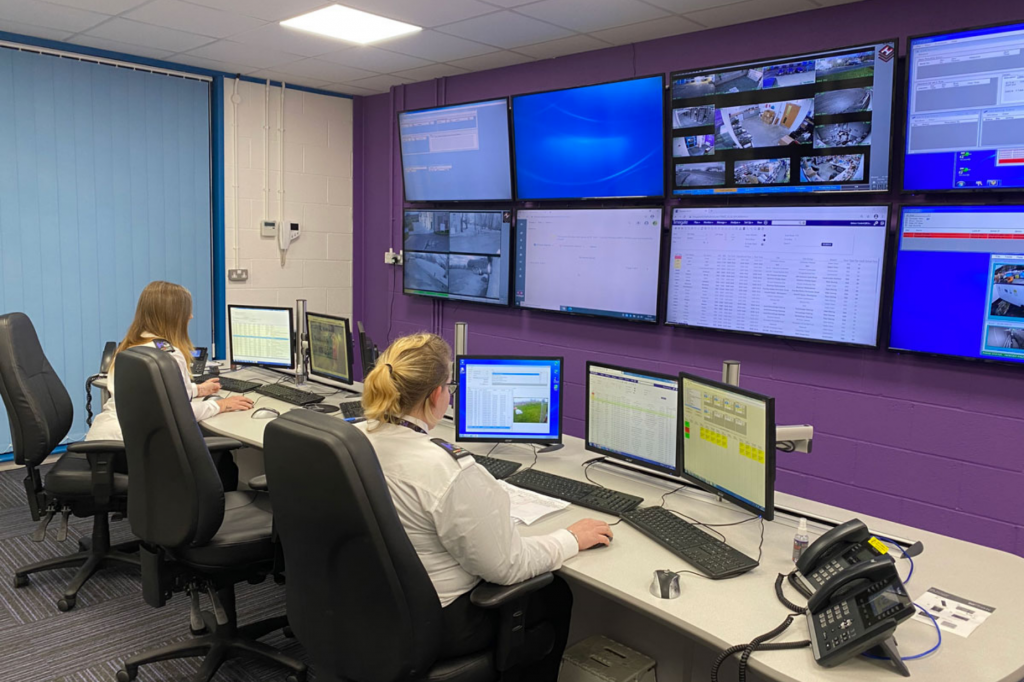
In 2026, security systems converge into one unified platform, showing video, access control, and alarms on a single screen, reducing errors and improving efficiency.
Roomminister unifies meeting rooms, desks, visitors, and parking into one smart workplace platform, integrating calendars, security, and enterprise systems for scalable operations.
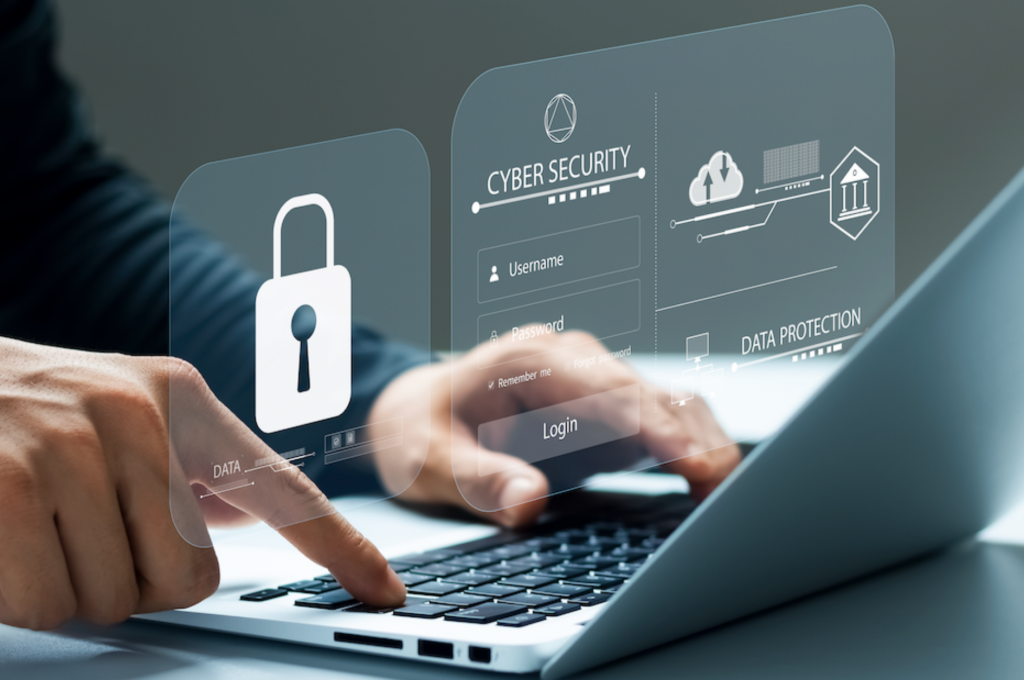
Security platforms are becoming digital social infrastructure—API-driven, interoperable, and scalable—forming the foundation of trust in modern organizations.
AI Security shifts from event-based rules to understanding normal social behavior, detecting real anomalies in real time, reducing noise, and enabling smarter, context-driven decisions.
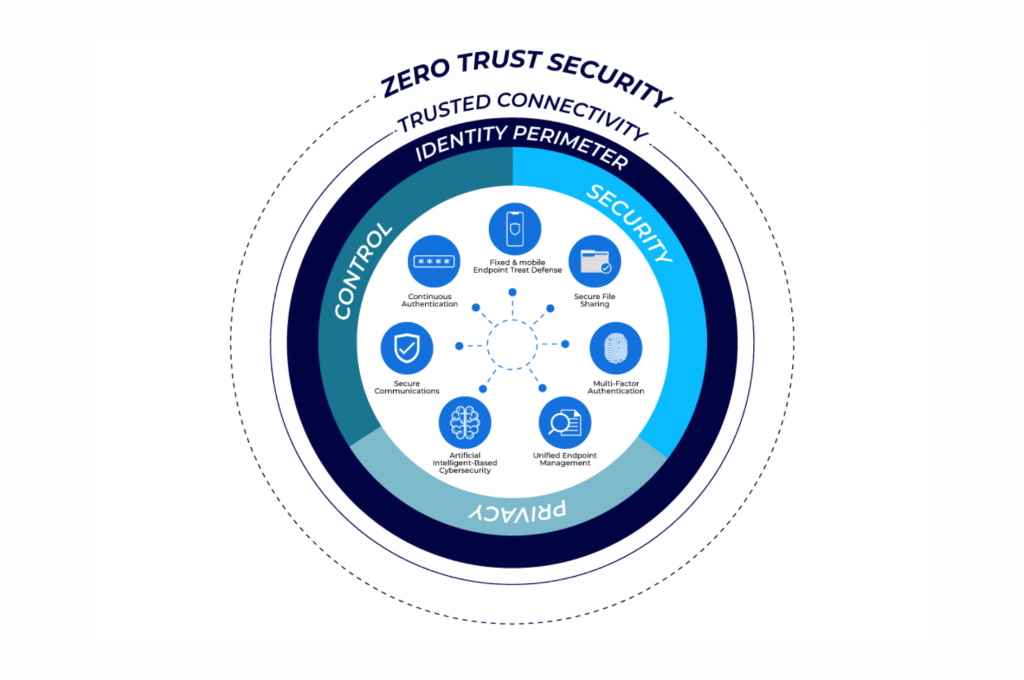
Zero Trust is no longer just IT—it reflects a new reality. Trust is built through continuous identity verification, enabling secure access without disrupting user experience.
Modern security must move beyond roles to context-aware models, evaluating identity, location, time, and behavior to align security with real-world work and life patterns.
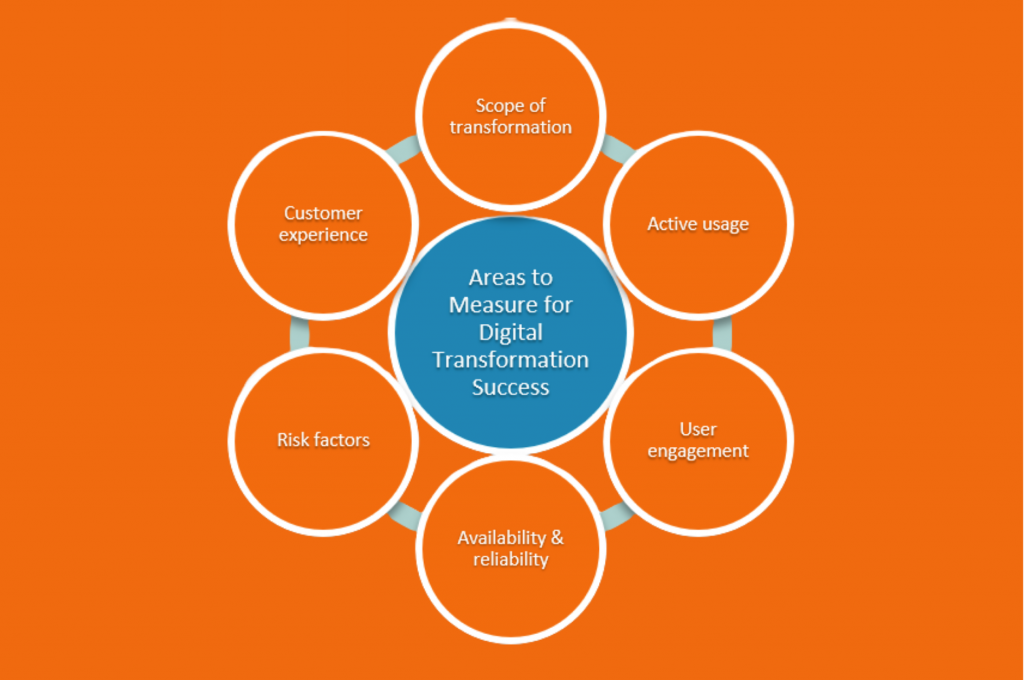
By 2026, technology success is defined by real impact—higher productivity, lower risk, faster decisions, and better cost efficiency, not deployment alone.
In 2026, organizations are shifting to integrated platforms to reduce risk, cost, and blind spots—making system integration a strategic necessity, not a technical choice.
Technology in 2026 is the operating system of organizations. AI, data, automation, and security drive work and access. Bainisys builds quiet, reliable tech foundations for real productivity.
2026 marks the impact of Bainisys’ 2025 decisions—driving productivity, smarter space use, faster decisions, and seamless security. Roomminister evolves into a national performance platform.
2025 marked Bainisys’ shift from deploying systems to delivering integrated, productivity-driven solutions—where security strengthens operations, experience, and trust across workplaces and digital ecosystems.
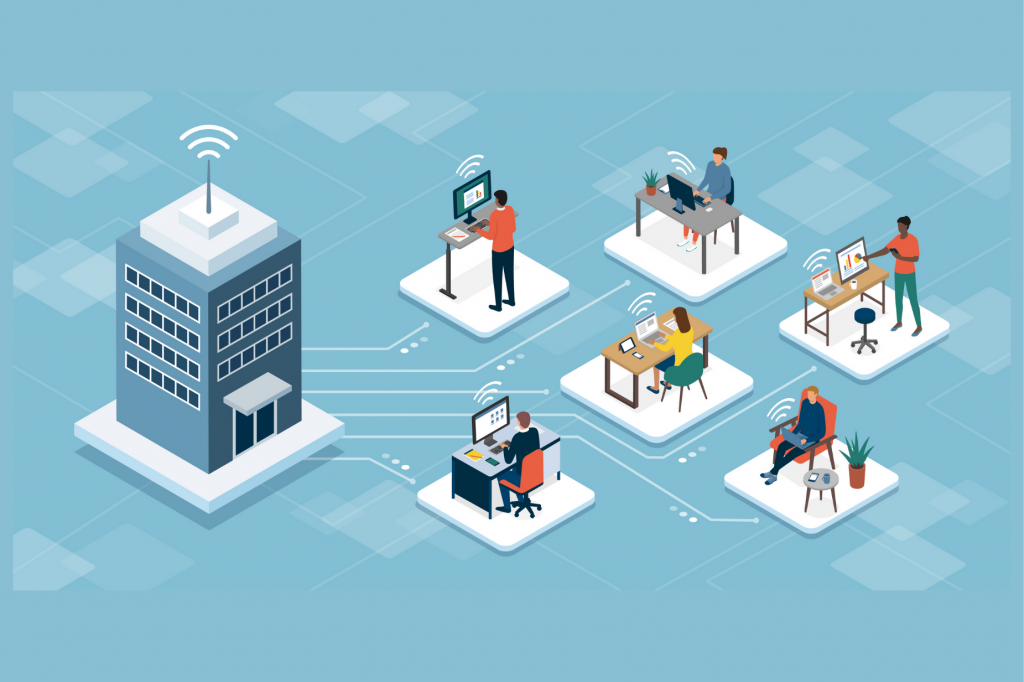
Fragmented systems slow modern enterprises down. Converged workplace platforms unify AI, HR, workplace, and security—enabling faster decisions, lower risk, and a better employee experience. This is the future of work.
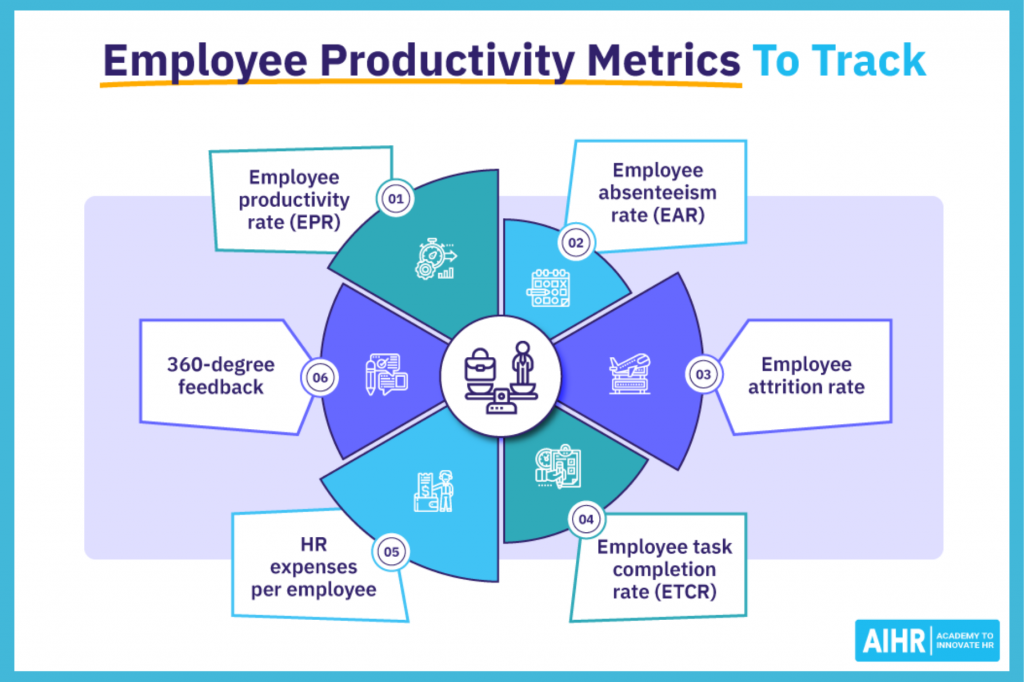
Productivity is no longer about simply showing up. Modern organizations look at how work actually happens—balancing meetings, focus time, and employee experience—to create fair, data-driven decisions and healthier ways of working.
Predictive security, powered by AI, identifies risks early by analyzing access patterns and behavior anomalies, reduces false alarms, and enhances safety without disrupting operations—becoming the new standard for modern workplaces.
Smart offices are driven by data, not design. Workplace analytics reveals real space usage—occupancy, meeting rooms, and peak times—helping organizations reduce costs, remove friction, and improve employee experience.
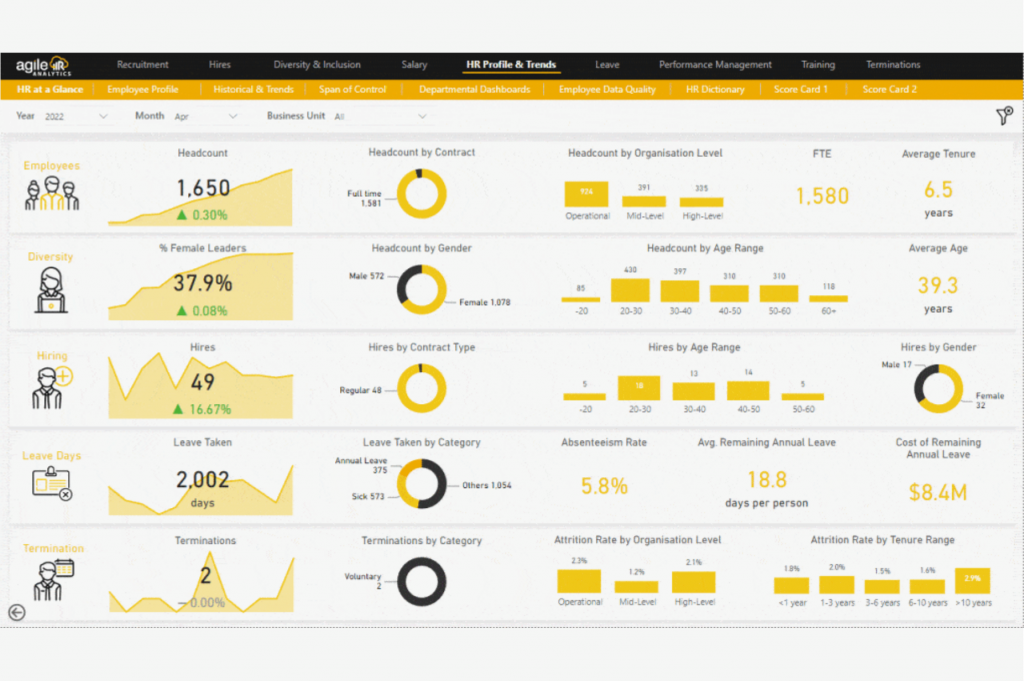
AI is reshaping HR into a strategic function. With HR and People Analytics connected to workplace systems, HR gains clear insight into work patterns, workload, and burnout risks—enabling fair, proactive, data-driven decisions.
Security is no longer a barrier but a performance enabler. When integrated into everyday workflows, it increases compliance, reduces resistance, and supports smoother operations—reflected in Roomminister’s security-aware workplace design.
Real-time visibility reduces risk and disruption by showing who is where and how spaces are used. Integrated workspace and security insights help teams respond faster. Roomminister delivers shared visibility for operations and security.
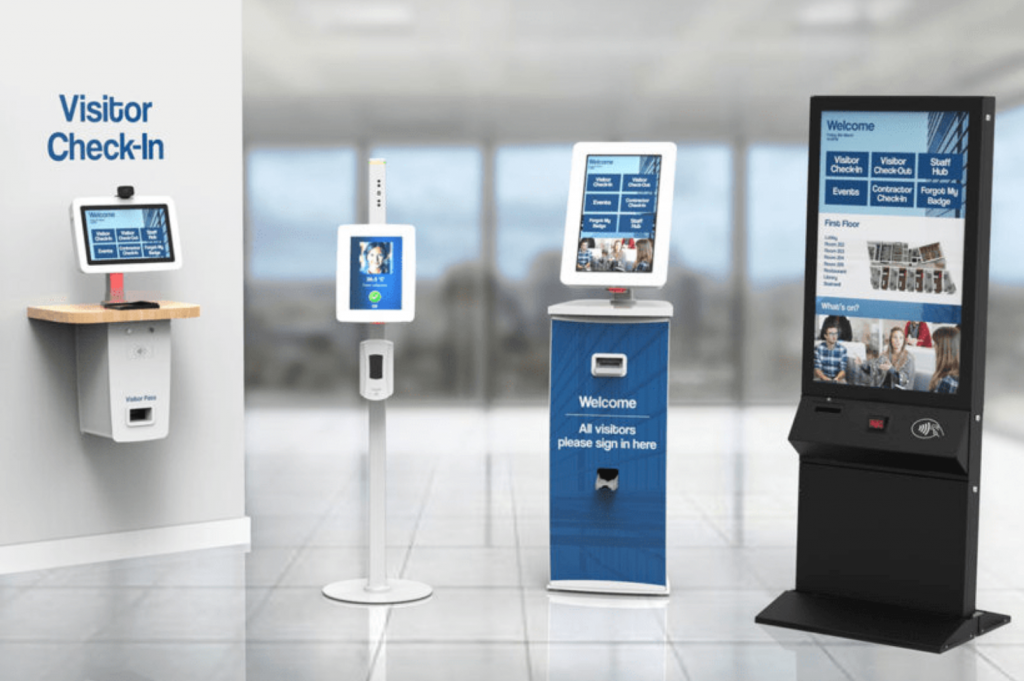
Visitor management directly affects productivity and security. Digital workflows reduce delays, clarify access, and minimize disruptions, allowing Roomminister to make guest management a seamless part of everyday workplace operations.
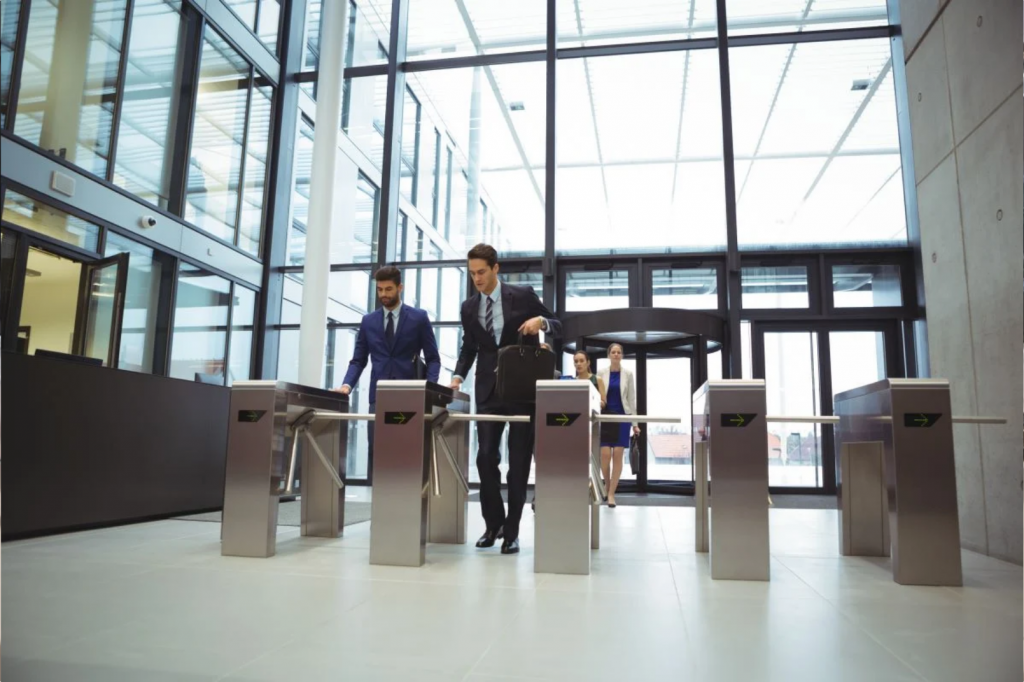
Clear, role-based access reduces delays and confusion. Roomminister aligns access permissions with actual workspace use, minimizing friction while strengthening both security and daily operational efficiency.
Clear, predictable security helps teams work more efficiently. Roomminister connects workplace scheduling with access awareness, reducing friction and making security a seamless part of everyday operations rather than a disruption.
The future of work favors adaptability: AI, quantum computing, and automation free humans from routine tasks, amplify human capability, and empower smarter, faster, and more purposeful work across all organizations.
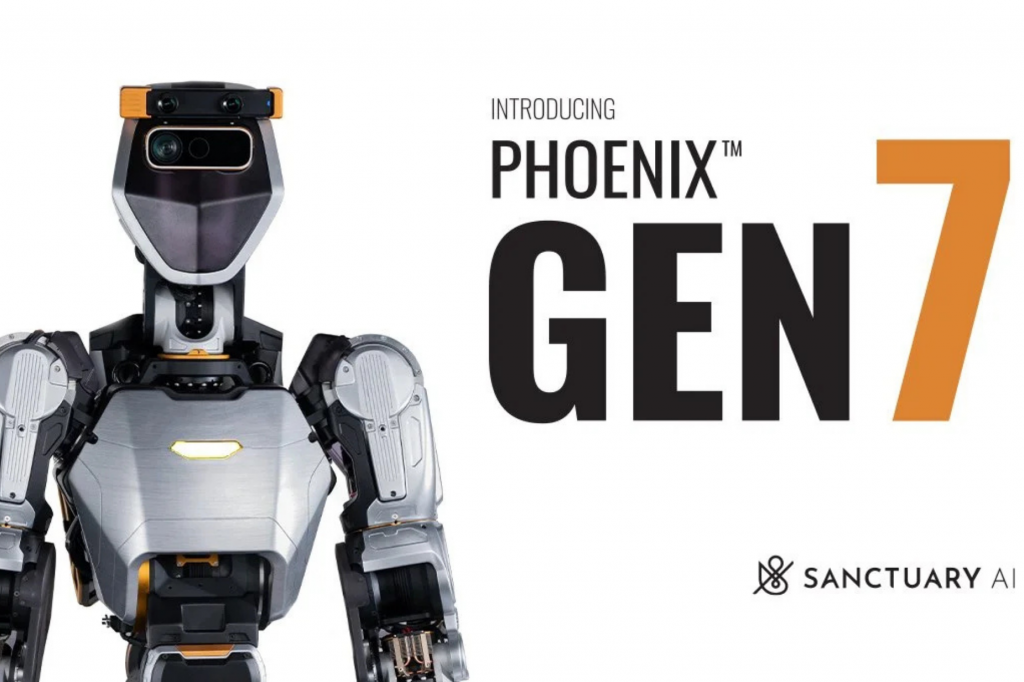
When quantum computation fuses with AI and robotics, it creates an era where machine intelligence expands dramatically, enabling systems to solve complex problems with unprecedented speed and precision.
Quantum computers could break crypto encryption, risking wallets. Blockchains must adopt quantum-resistant algorithms, and users need stronger security. Early preparation is essential.
AI learns from data while quantum excels at complex parallel calculations. Combined, they enable ultra-fast optimization, massive data analysis, and solutions beyond classical computing—quantum enhances AI, not replaces it.
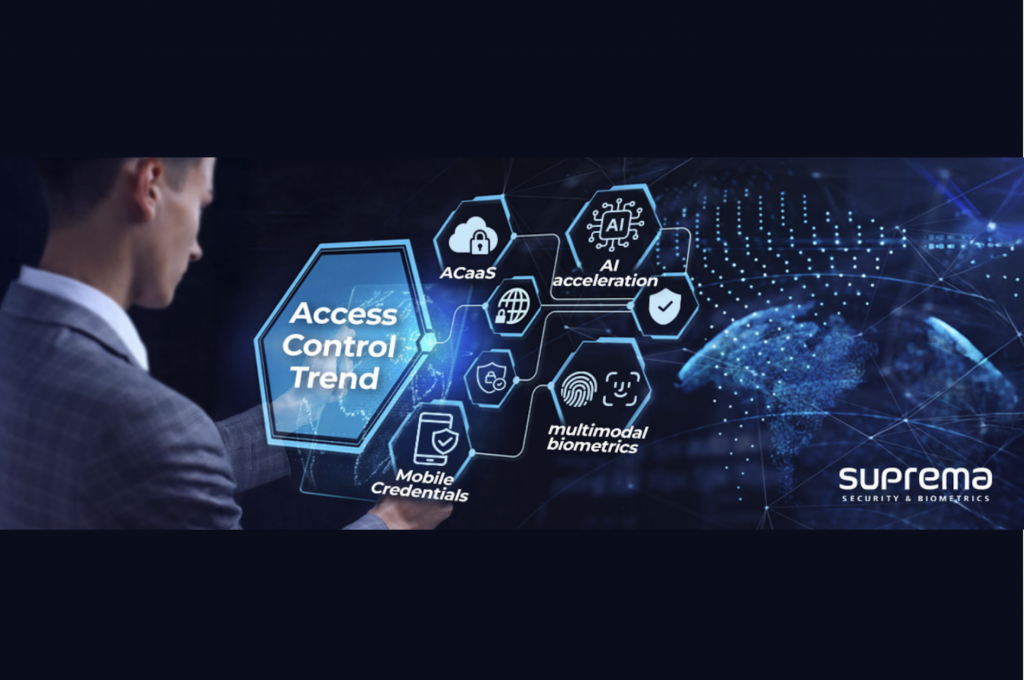
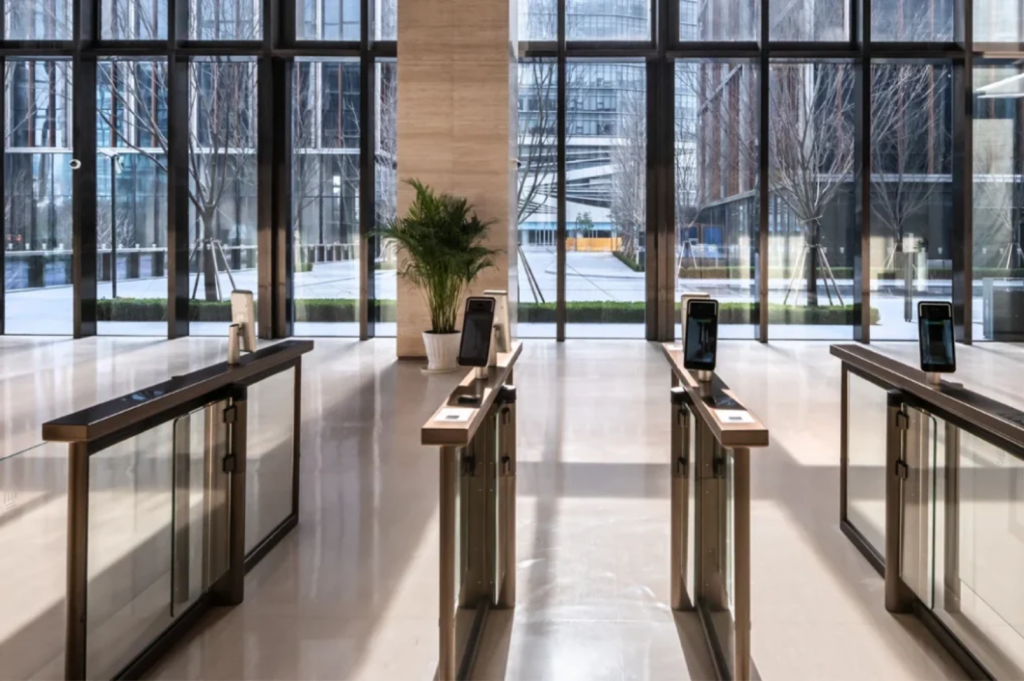
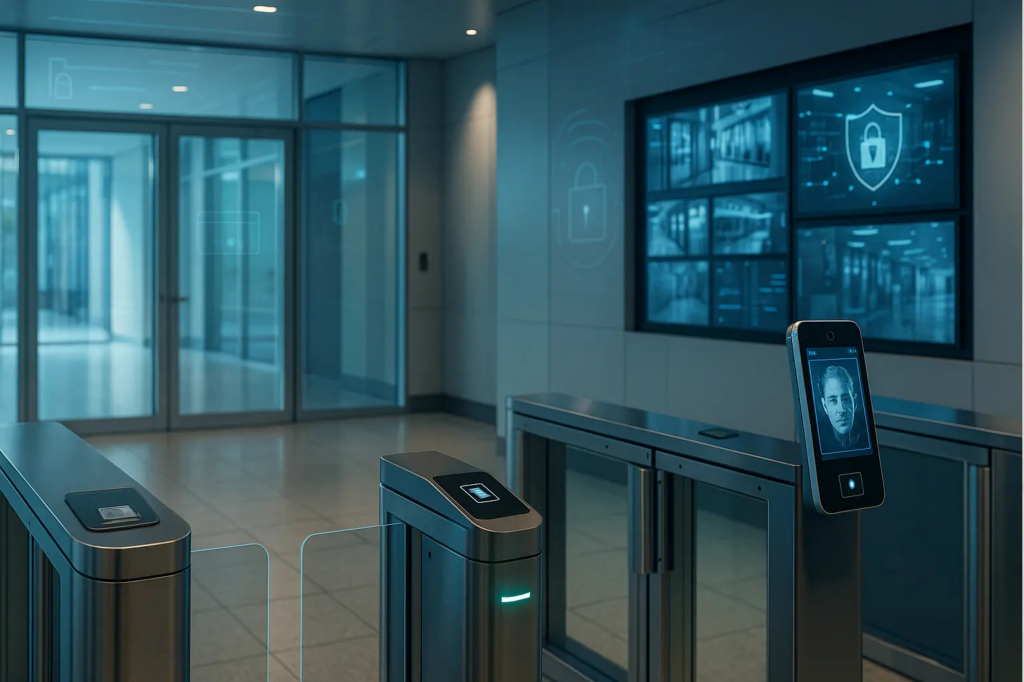
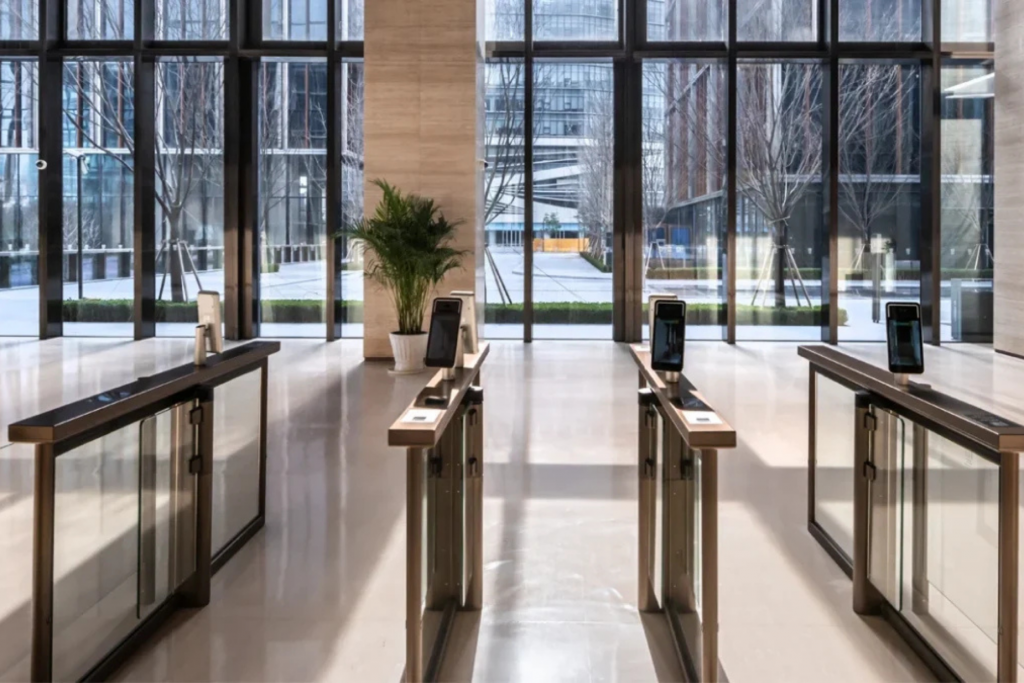
Artificial Intelligence is reshaping how organizations approach security. Access control is no longer limited to cards or fingerprints—AI enables systems to recognize and respond with human-like accuracy.
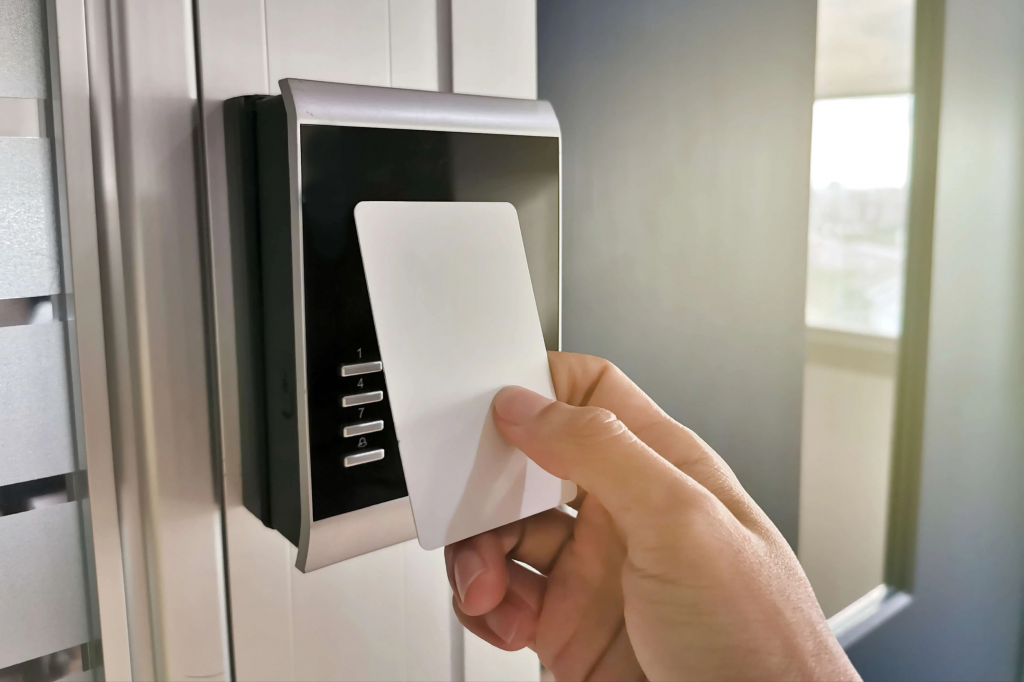
Access control replaces simple physical locks, offering reliable detailed logs, granular permission, swift emergency control, and seamless integration for security and intelligence.
Intelligent access control uses AI to detect anomalies, prevent spoofing, integrate with key systems, and deliver instant insights — making security smarter and more predictive.
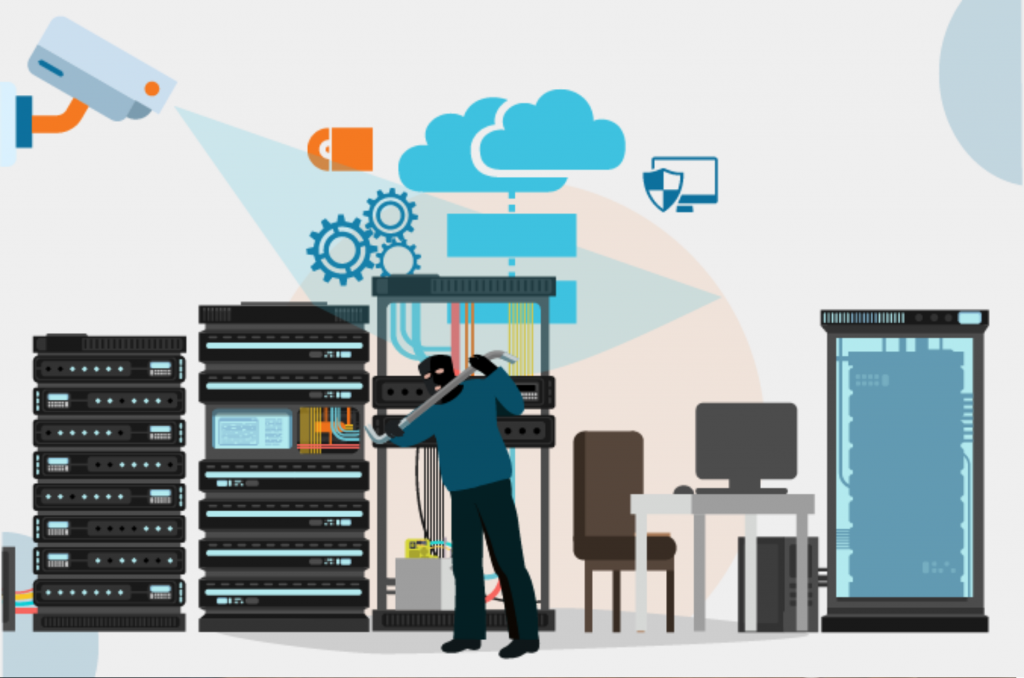
Access control protects more than physical spaces—it safeguards sensitive data. Without restricted access and proper logs, confidential documents and critical rooms become vulnerable.
Modern AI infrastructure is shifting from raw GPU power to integrated systems where chips, interconnects, and compilers work together to boost efficiency and expand options beyond Nvidia.
Modern industries are shifting from basic door locks to intelligent access-control systems that protect people, data, and assets through smart authentication and real-time threat prevention.
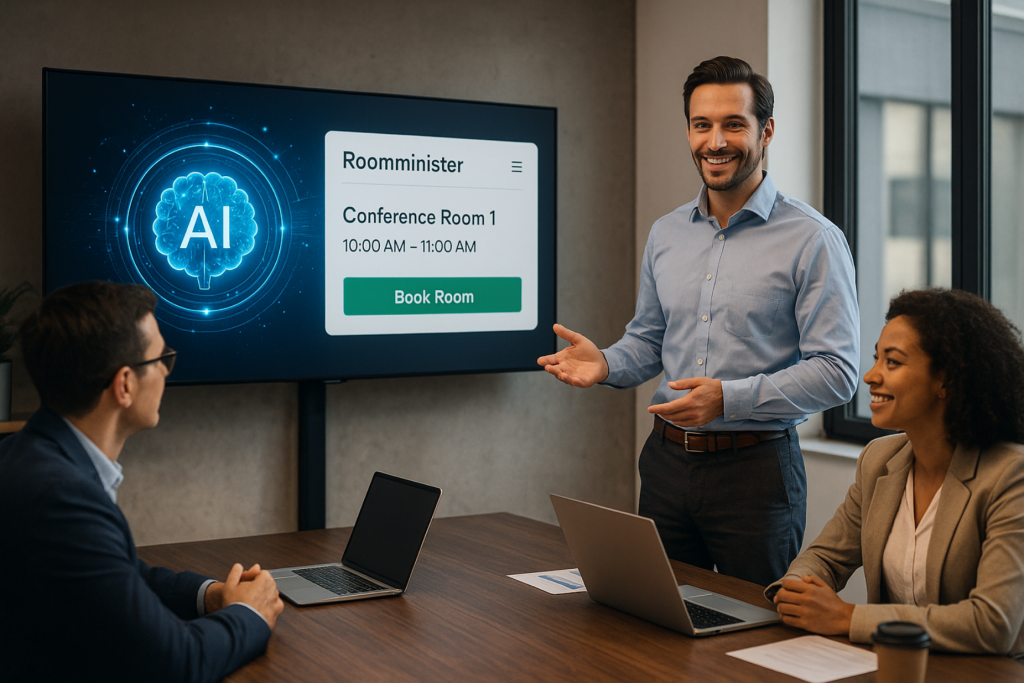
Modern workplaces are shifting from basic room booking tools to intelligent coordination engines like Roomminister that manage spaces, predict usage, integrate with AI, and enhance workflows.
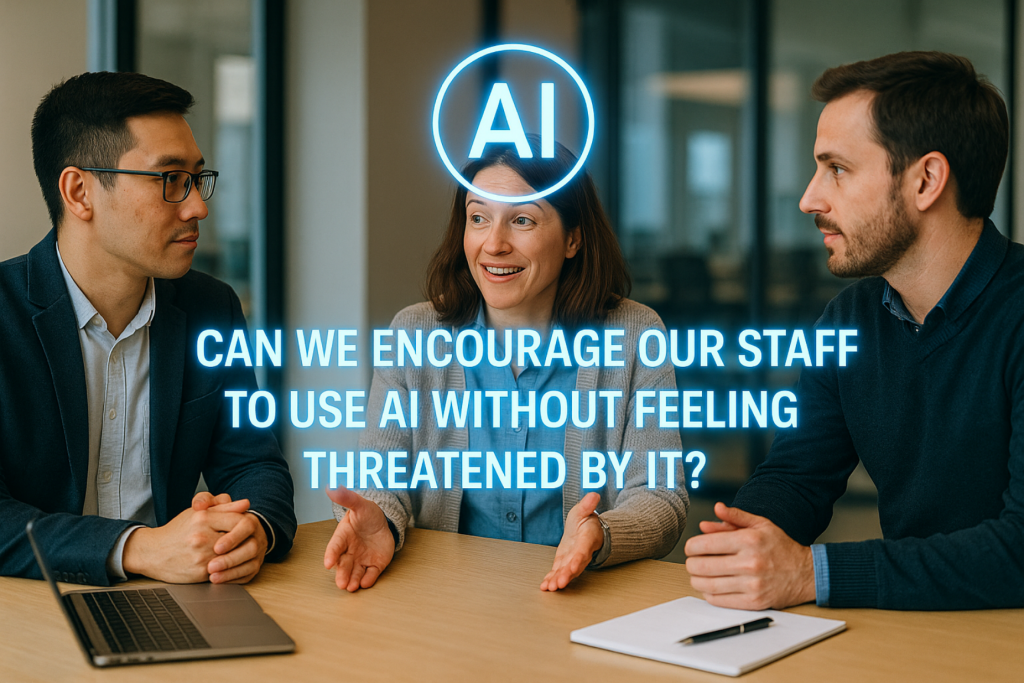
how organizations can support AI adoption by shifting mindsets from fear to trust—showing AI as a partner that cuts work, saves time, and enhances workflows without reducing human value.
AI is rapidly evolving from an abstract concept to a practical reality, quietly reshaping work processes and significantly transforming all aspects of modern workplace management and operations.
In 2026, security systems converge into one unified platform, showing video, access control, and alarms on a single screen, reducing errors and improving efficiency.
Roomminister unifies meeting rooms, desks, visitors, and parking into one smart workplace platform, integrating calendars, security, and enterprise systems for scalable operations.
Security platforms are becoming digital social infrastructure—API-driven, interoperable, and scalable—forming the foundation of trust in modern organizations.
AI Security shifts from event-based rules to understanding normal social behavior, detecting real anomalies in real time, reducing noise, and enabling smarter, context-driven decisions.
Zero Trust is no longer just IT—it reflects a new reality. Trust is built through continuous identity verification, enabling secure access without disrupting user experience.
Modern security must move beyond roles to context-aware models, evaluating identity, location, time, and behavior to align security with real-world work and life patterns.
By 2026, technology success is defined by real impact—higher productivity, lower risk, faster decisions, and better cost efficiency, not deployment alone.
In 2026, organizations are shifting to integrated platforms to reduce risk, cost, and blind spots—making system integration a strategic necessity, not a technical choice.
Technology in 2026 is the operating system of organizations. AI, data, automation, and security drive work and access. Bainisys builds quiet, reliable tech foundations for real productivity.
2026 marks the impact of Bainisys’ 2025 decisions—driving productivity, smarter space use, faster decisions, and seamless security. Roomminister evolves into a national performance platform.
2025 marked Bainisys’ shift from deploying systems to delivering integrated, productivity-driven solutions—where security strengthens operations, experience, and trust across workplaces and digital ecosystems.
Fragmented systems slow modern enterprises down. Converged workplace platforms unify AI, HR, workplace, and security—enabling faster decisions, lower risk, and a better employee experience. This is the future of work.
Productivity is no longer about simply showing up. Modern organizations look at how work actually happens—balancing meetings, focus time, and employee experience—to create fair, data-driven decisions and healthier ways of working.
Predictive security, powered by AI, identifies risks early by analyzing access patterns and behavior anomalies, reduces false alarms, and enhances safety without disrupting operations—becoming the new standard for modern workplaces.
AI is reshaping HR into a strategic function. With HR and People Analytics connected to workplace systems, HR gains clear insight into work patterns, workload, and burnout risks—enabling fair, proactive, data-driven decisions.
Security is no longer a barrier but a performance enabler. When integrated into everyday workflows, it increases compliance, reduces resistance, and supports smoother operations—reflected in Roomminister’s security-aware workplace design.
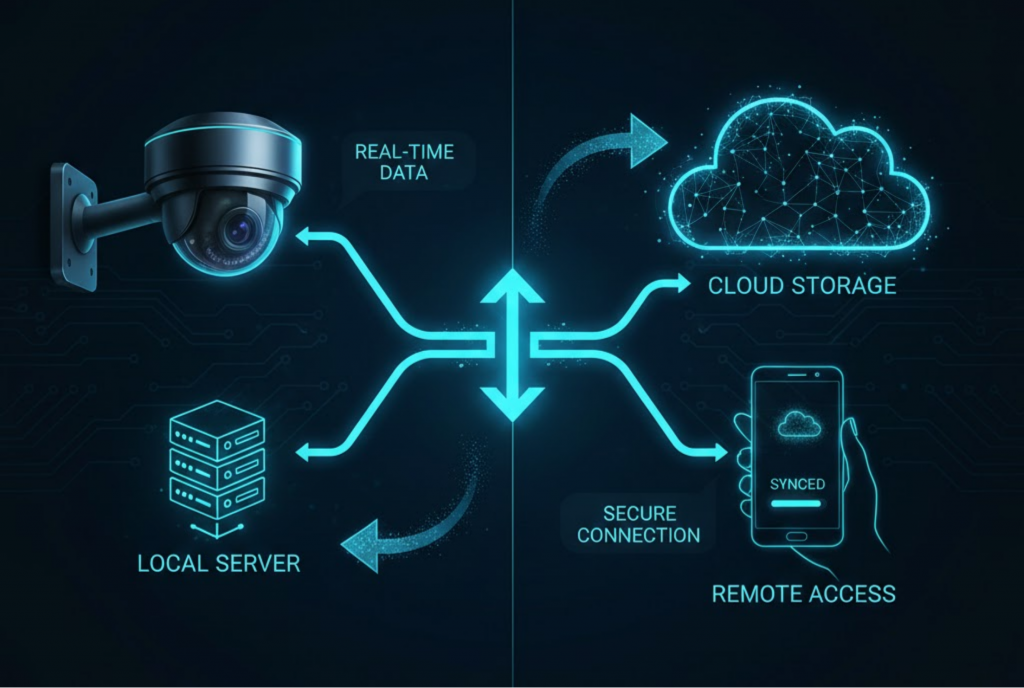
Real-time visibility reduces risk and disruption by showing who is where and how spaces are used. Integrated workspace and security insights help teams respond faster. Roomminister delivers shared visibility for operations and security.
Visitor management directly affects productivity and security. Digital workflows reduce delays, clarify access, and minimize disruptions, allowing Roomminister to make guest management a seamless part of everyday workplace operations.
Clear, role-based access reduces delays and confusion. Roomminister aligns access permissions with actual workspace use, minimizing friction while strengthening both security and daily operational efficiency.
Clear, predictable security helps teams work more efficiently. Roomminister connects workplace scheduling with access awareness, reducing friction and making security a seamless part of everyday operations rather than a disruption.
The future of work favors adaptability: AI, quantum computing, and automation free humans from routine tasks, amplify human capability, and empower smarter, faster, and more purposeful work across all organizations.
When quantum computation fuses with AI and robotics, it creates an era where machine intelligence expands dramatically, enabling systems to solve complex problems with unprecedented speed and precision.
Quantum computers could break crypto encryption, risking wallets. Blockchains must adopt quantum-resistant algorithms, and users need stronger security. Early preparation is essential.
AI learns from data while quantum excels at complex parallel calculations. Combined, they enable ultra-fast optimization, massive data analysis, and solutions beyond classical computing—quantum enhances AI, not replaces it.
Artificial Intelligence is reshaping how organizations approach security. Access control is no longer limited to cards or fingerprints—AI enables systems to recognize and respond with human-like accuracy.
Access control replaces simple physical locks, offering reliable detailed logs, granular permission, swift emergency control, and seamless integration for security and intelligence.
Intelligent access control uses AI to detect anomalies, prevent spoofing, integrate with key systems, and deliver instant insights — making security smarter and more predictive.
Access control protects more than physical spaces—it safeguards sensitive data. Without restricted access and proper logs, confidential documents and critical rooms become vulnerable.
Modern AI infrastructure is shifting from raw GPU power to integrated systems where chips, interconnects, and compilers work together to boost efficiency and expand options beyond Nvidia.
Modern industries are shifting from basic door locks to intelligent access-control systems that protect people, data, and assets through smart authentication and real-time threat prevention.
Modern workplaces are shifting from basic room booking tools to intelligent coordination engines like Roomminister that manage spaces, predict usage, integrate with AI, and enhance workflows.
how organizations can support AI adoption by shifting mindsets from fear to trust—showing AI as a partner that cuts work, saves time, and enhances workflows without reducing human value.
how AI is evolving from a basic assistant into a digital teammate that predicts needs, automates tasks, and streamlines operations—moving workplaces toward smarter human-AI collaboration.
the critical functional shift from passive AI assistants that only react to commands toward fully autonomous AI agents that can independently act, decide, and pursue complex, predetermined goals.
the shift from traditional meeting-room booking to modern centralized systems that give real-time visibility, prevent overlaps, automate check-ins, and improve efficiency across daily workplaces.
AI is rapidly evolving from an abstract concept to a practical reality, quietly reshaping work processes and significantly transforming all aspects of modern workplace management and operations.
We use cookies to ensure the proper functioning of our website, analyze usage, and improve your experience. By continuing to use this website, you consent to our use of cookies.