
Human-Centric Security Platform: ความปลอดภัยที่ไม่ทำให้ผู้ใช้งานรู้สึกถูกควบคุม
Human-Centric Security Platform คือสถาปัตยกรรมระบบความปลอดภัยที่ออกแบบมาเพื่อลดภาระทางความคิด (Cognitive Load) ของผู้ใช้งาน ขณะเดียวกันยังคงมาตรฐานการควบคุมการเข้าถึง (Access Control) ที่เข้มงวดตามความต้องการขององค์กรยุคใหม่
ปัจจุบันแนวคิด Human-Centered Design ถูกนำมาประยุกต์ใช้กับระบบความปลอดภัยมากขึ้น เนื่องจากระบบรักษาความปลอดภัยแบบดั้งเดิมมักสร้างความซับซ้อนและเพิ่มแรงเสียดทาน (Friction) ให้กับผู้ใช้งาน ส่งผลให้ประสบการณ์การใช้งานไม่ราบรื่นและลดประสิทธิภาพในการทำงาน
2026-01-16
ดร.พงษ์ศักดิ์ วงศ์เลิศคุณากร
ดร.พงษ์ศักดิ์ วงศ์เลิศคุณากร
- ที่ปรึกษาด้านสถานที่ทำงาน
- ปริญญาเอก (Ph.D.) สาขาการจัดการจากสถาบันบัณฑิตพัฒนบริหารศาสตร์
- ปริญญาโท (M.S.) สาขาวิทยาการคอมพิวเตอร์และสารสนเทศจาก มหาวิทยาลัยเพนซิลเวเนีย
- ปริญญาตรี (B.Eng.) สาขาวิศวกรรมคอมพิวเตอร์จาก จุฬาลงกรณ์มหาวิทยาลัย
แนวคิดหลัก: การแยกชั้นการทำงาน (Separation of Layers)
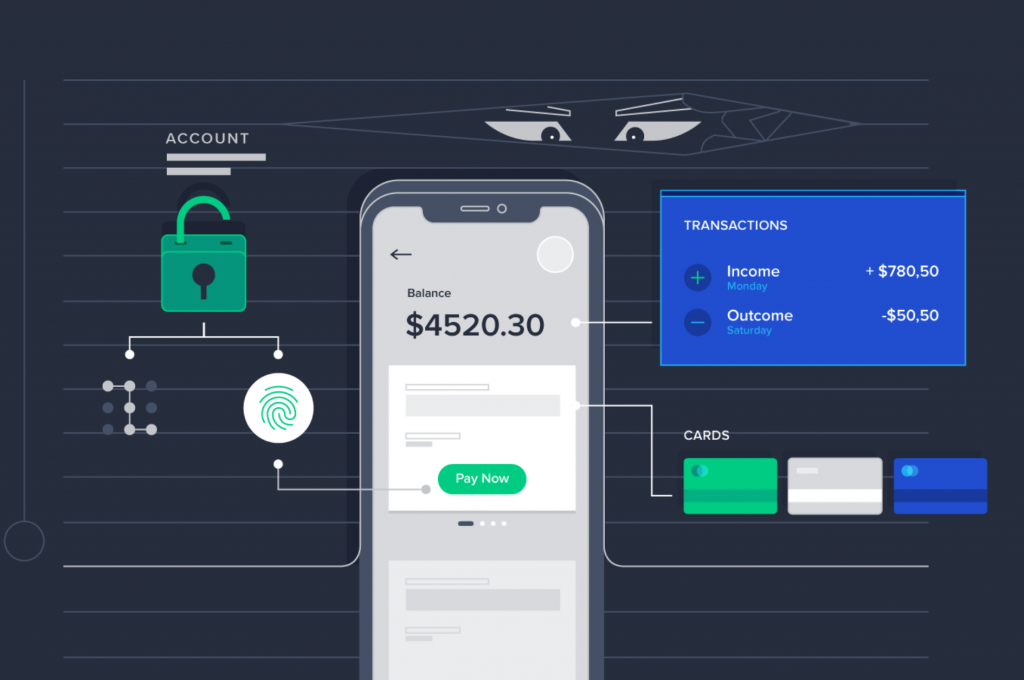
สถาปัตยกรรมนี้ตั้งอยู่บนแนวคิดการแยกการทำงานออกเป็น 2 ชั้นอย่างชัดเจน ได้แก่
Policy Logic Layer
เป็นชั้นที่ทำหน้าที่จัดการกฎด้านความปลอดภัยทั้งหมด การตัดสินสิทธิ์การเข้าถึง (Access Control) และนโยบายขององค์กร โดยมีความซับซ้อนและถูกบังคับใช้อย่างเข้มงวดในระดับระบบ
User Experience Layer
เป็นชั้นที่ผู้ใช้งานมองเห็นและโต้ตอบด้วย ถูกออกแบบให้เรียบง่ายและเข้าใจได้ทันที โดยจะแสดงเฉพาะข้อมูล การกระทำ และสิทธิ์ที่เกี่ยวข้องกับบทบาทของผู้ใช้งานเท่านั้น
การแยกชั้นเช่นนี้ช่วยให้ผู้ใช้งานไม่จำเป็นต้องเข้าใจความซับซ้อนของระบบความปลอดภัย แต่ยังสามารถใช้งานได้อย่างปลอดภัยและถูกต้องตามนโยบายขององค์กร
ทำไม Human-Centric Security จึงสำคัญ
แนวทางนี้ช่วยให้ระบบความปลอดภัยสามารถรองรับบทบาทผู้ใช้งานที่หลากหลายได้ โดยไม่ทำให้ผู้ใช้งานรู้สึกถูกจำกัด ควบคุม หรือเลือกปฏิบัติ
ในองค์กรยุคใหม่ สิ่งนี้มีความสำคัญอย่างมาก เพราะ
- ผู้ใช้งานคาดหวังประสบการณ์ดิจิทัลที่ลื่นไหลและไม่มีแรงเสียดทาน
- ระบบความปลอดภัยต้องรองรับการขยายตัวตามโครงสร้างองค์กร
- ความซับซ้อนของระบบเพิ่มความเสี่ยงจากความผิดพลาดของมนุษย์
- ภาระทางความคิด (Cognitive Load) ที่สูงเกินไปส่งผลต่อประสิทธิภาพการทำงาน
Human-Centric Security Platform จึงถูกออกแบบมาเพื่อแก้ปัญหาเหล่านี้ตั้งแต่ระดับโครงสร้าง
การผสานแนวคิดกับ Bainisys
Bainnisys สนับสนุนสถาปัตยกรรมนี้โดยการออกแบบให้ระบบความปลอดภัยเป็นโครงสร้างพื้นฐานที่มองไม่เห็น (Invisible Infrastructure Layer) ภายใน Digital Workplace
ความสามารถหลักที่สอดคล้องกับแนวคิด Human-Centric Security ได้แก่:
1. ระบบควบคุมการเข้าถึงแบบขับเคลื่อนด้วยนโยบาย
Bainnisys บังคับใช้นโยบายความปลอดภัยที่ฝั่งระบบหลังบ้าน (Backend) ขณะที่ส่วนติดต่อผู้ใช้งานถูกออกแบบให้เรียบง่ายและใช้งานได้อย่างเป็นธรรมชาติ (Intuitive)
2. การออกแบบประสบการณ์ตามบทบาท
ผู้ใช้งานแต่ละคนจะเห็นเฉพาะข้อมูลและฟังก์ชันที่เกี่ยวข้องกับบทบาทของตนเองเท่านั้น ช่วยลดความซับซ้อนที่ไม่จำเป็นในการทำงานประจำวัน
3. โครงสร้างความปลอดภัยแบบรวมศูนย์
ระบบ Access Control, ระบบ Workplace และบริบทของผู้ใช้งานถูกรวมไว้ในแพลตฟอร์มเดียว เพื่อให้การบังคับใช้นโยบายเป็นไปอย่างสอดคล้องและมีประสิทธิภาพ
4. UX ที่ลดภาระทางความคิด
ระบบถูกออกแบบให้ผู้ใช้งานไม่จำเป็นต้องตีความกฎด้านความปลอดภัยด้วยตนเอง แต่ยังคงสามารถรักษามาตรฐานด้าน Compliance ได้อย่างครบถ้วน
ความปลอดภัยในฐานะโครงสร้างพื้นฐานที่มองไม่เห็น
เมื่อมองในเชิงสถาปัตยกรรม Human-Centric Security Platform จะทำหน้าที่เหมือนโครงสร้างพื้นฐานดิจิทัล เช่นเดียวกับระบบไฟฟ้าหรือระบบขนส่ง
ระบบเหล่านี้ไม่ได้ถูกสังเกตเห็นตลอดเวลา แต่เป็นสิ่งจำเป็นที่ทำให้ทุกอย่างสามารถทำงานได้อย่างต่อเนื่อง
หากไม่มีโครงสร้างนี้ Digital Workplace จะไม่สามารถดำเนินงานได้อย่างปลอดภัยและมีประสิทธิภาพ
ข้อสรุป
Human-Centric Security Platform เปลี่ยนบทบาทของระบบความปลอดภัย จาก “กลไกควบคุม” ไปสู่ “ระบบสนับสนุน” ที่ทำงานอยู่เบื้องหลังอย่างเงียบ ๆ
ผู้ใช้งานได้รับประสบการณ์ที่เรียบง่าย ขณะที่องค์กรยังคงสามารถควบคุมการเข้าถึงได้อย่างเข้มงวดและน่าเชื่อถือ
เมื่อผสานเข้ากับแพลตฟอร์มอย่าง Bainisys แนวทางนี้จะกลายเป็นรากฐานสำคัญของโครงสร้างพื้นฐานด้านความปลอดภัยดิจิทัลที่ยืดหยุ่นและเป็นมิตรกับผู้ใช้งานมากขึ้นในระยะยาว