
2025-12-03
Dr. Pongsak Wonglertkunakorn
Intelligent Access Control & The Rise of AI
Dr. Pongsak Wonglertkunakorn
- Workplace Consultant
- Ph.D. in Management from National Institute of Development Administration
- M.S. in Computer and Information Science from University of Pennsylvania
- B.Eng. in Computer Engineering from Chulalongkorn University
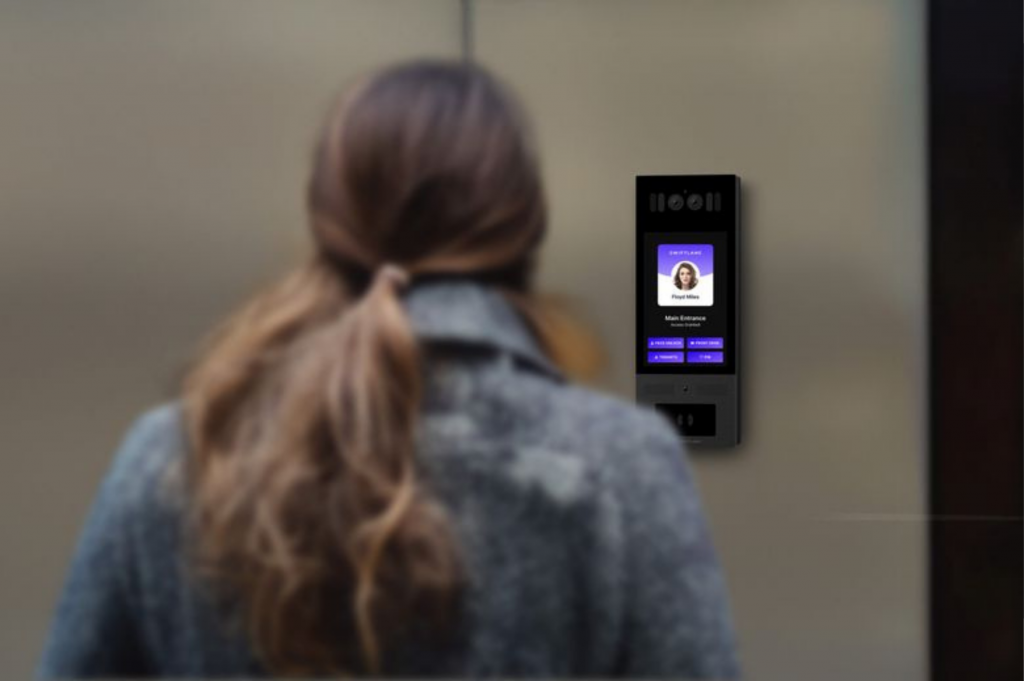
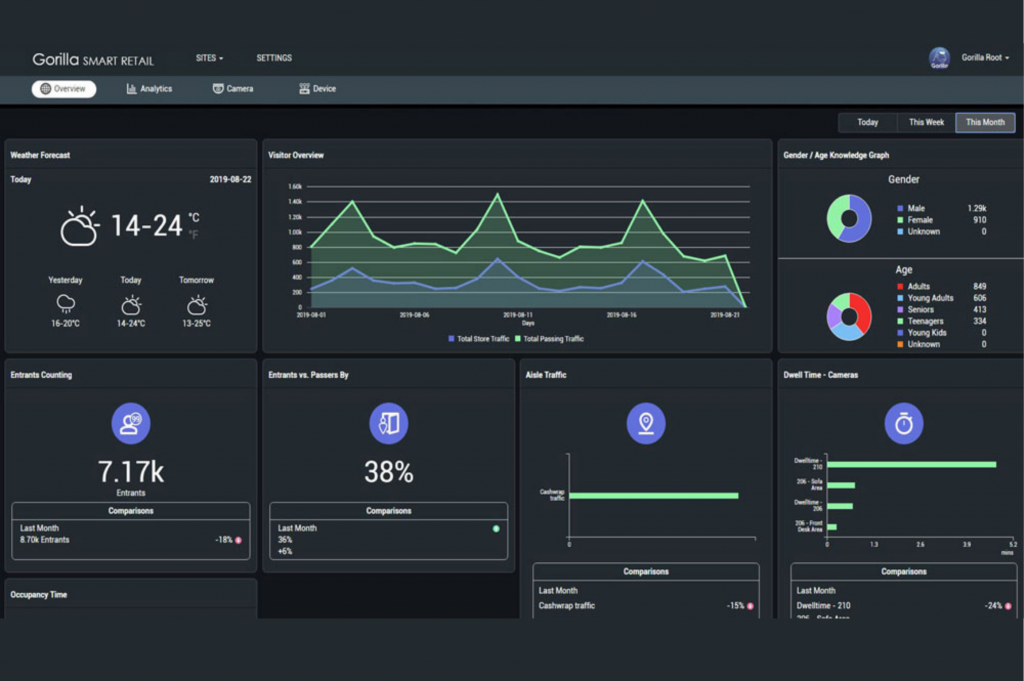
Access control has evolved from simple “open/close” mechanisms into intelligent systems that understand behavior, context, and anomalies through AI.
How AI Transforms Access Control
1. Behavioral Pattern Analysis AI detects unusual access patterns:
- Employee entering the building at an unusual time
- Staff trying to access areas not related to their job
- Visitors staying longer than allowed
Example:
A factory’s AI system flagged an employee entering the warehouse at 02:00 AM — a time he had never accessed before in two years. It turned out harmless, but the system correctly identified an anomaly humans would have missed.
Real Incidents That Show the Risk
2. Advanced Anti-Spoofing AI can detect:
- Printed photos
- Videos displayed on phones
- 3D mask attempts
This ensures that biometric authentication cannot be easily fooled.
3. Integration With HR, IoT, and IT Systems AI-powered access control reads real-time data:
- Employee resigns → Access is automatically revoked
- Staff works from home → Building access temporarily disabled
- Room entry triggers intelligent IoT actions (lights, AC, cameras)
4. AI-Generated Security Reports In modern systems, executives can soon ask:
“Summarize all suspicious access events this month.”
AI will produce a full report instantly — something that used to take security teams days.
Conclusion
AI elevates access control beyond security. It becomes an intelligent, predictive, and analytical part of organizational operations.