
Geopolitics Is Driving Technology Architecture
Geopolitical Technology Architecture is reshaping how enterprises manage cloud infrastructure, data sovereignty, and regional IT operations. As global tensions increase, organizations must rethink where data is stored, how systems integrate, and how digital infrastructure supports compliance across regions.
2026-05-05
Dr. Pongsak Wonglertkunakorn
Dr. Pongsak Wonglertkunakorn
- Workplace Consultant
- Ph.D. in Management from National Institute of Development Administration
- M.S. in Computer and Information Science from University of Pennsylvania
- B.Eng. in Computer Engineering from Chulalongkorn University
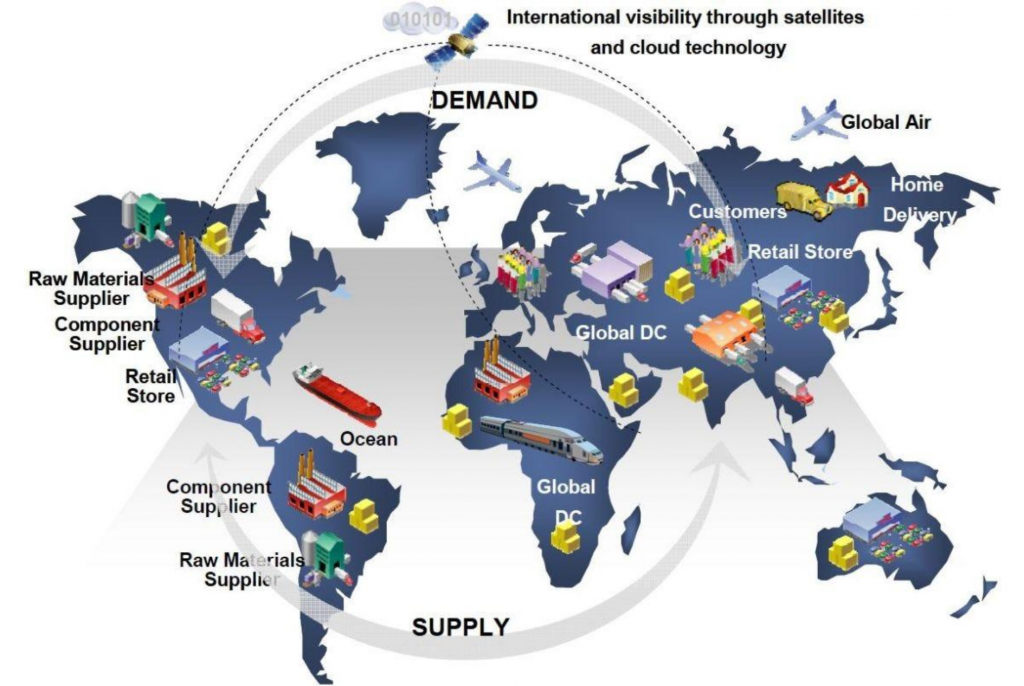
Traditional analytics relies on batch processing, where data is analyzed after collection. This creates delays between insight and action.
Modern systems process data continuously through streaming pipelines and event-based architectures, enabling instant response to incoming information.
👉 External reference: amazon
Global tensions are reshaping IT infrastructure:
Geopolitical technology architecture is becoming a major factor in enterprise digital transformation. As global tensions increase, organizations must rethink how their IT systems, cloud infrastructure, and data environments operate across regions.
Today, enterprises face growing challenges related to:
- Data sovereignty regulations
- Regional cloud fragmentation
- Supply chain localization
- Cross-border compliance requirements
As a result, organizations can no longer rely on a single centralized infrastructure model. Instead, businesses are adopting hybrid and region-aware technology architecture strategies to improve resilience, security, and operational continuity.
Why Geopolitical Technology Architecture Matters
Modern enterprises depend on global connectivity. However, changing regulations and geopolitical risks now affect where data can be stored, processed, and transferred.
For example, some countries require sensitive data to remain inside national borders. At the same time, regional cloud providers and localized infrastructure requirements are creating more fragmented IT ecosystems.
Because of this, organizations must build flexible architectures that support:
- Secure regional operations
- Multi-cloud deployment
- Compliance-ready infrastructure
- Scalable integration across business units
A well-designed geopolitical technology architecture helps enterprises reduce operational risks while maintaining performance and scalability.
Bainisys Application
ROOMMINISTER supports modern hybrid deployment strategies designed for evolving enterprise environments.
Key capabilities include:
- On-premise deployment for sensitive environments
- Cloud infrastructure for scalability and flexibility
- API-first integration across regional systems
- Support for enterprise interoperability and data governance
This approach allows organizations to adapt to regulatory requirements while maintaining operational efficiency across multiple locations.
The Future of Regional Enterprise Infrastructure
As digital ecosystems continue to evolve, geopolitical technology architecture will become increasingly important for enterprise planning. Organizations that prepare early can improve resilience, strengthen compliance readiness, and support long-term digital transformation initiatives.
Businesses must now design infrastructure that is not only scalable and secure, but also adaptable to changing geopolitical and regulatory conditions.