
2025-12-04
Dr. Pongsak Wonglertkunakorn
Why Do We Need Access Control? Isn’t a Door Lock Enough?
Dr. Pongsak Wonglertkunakorn
- Workplace Consultant
- Ph.D. in Management from National Institute of Development Administration
- M.S. in Computer and Information Science from University of Pennsylvania
- B.Eng. in Computer Engineering from Chulalongkorn University
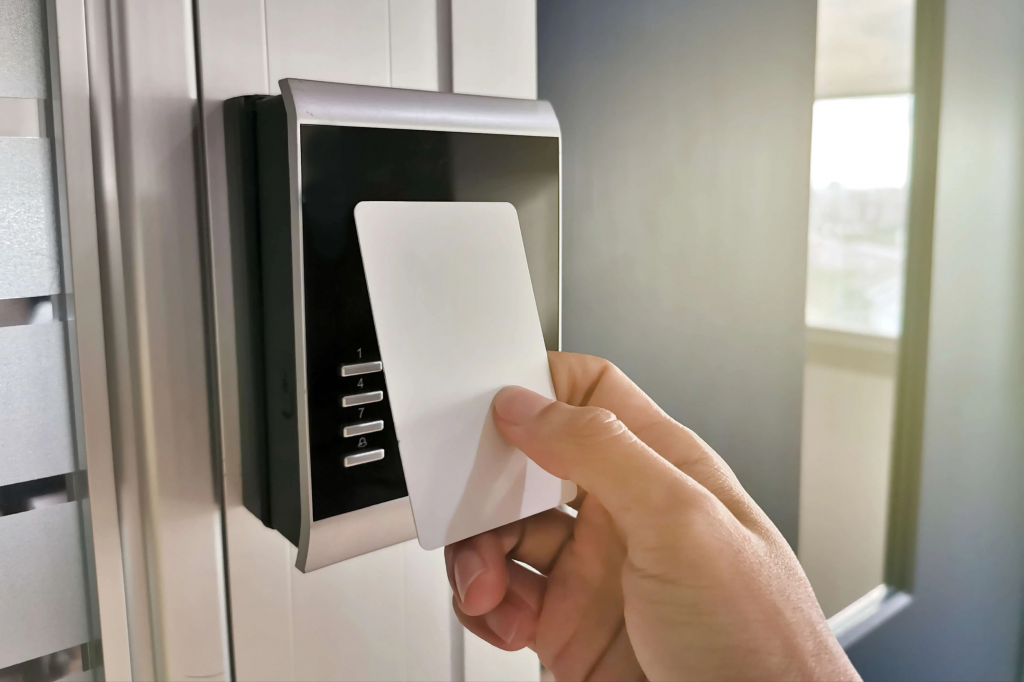
Traditional locks keep doors shut — but they cannot answer the most important questions organizations face today:
- Who entered?
- When?
- Why were they there?
- Were they authorized?
Limitations of Ordinary Doors
1. No Log History
When equipment or data goes missing, there’s no way to trace who accessed the room.
2. No Granular Permission Control
A key opens everything it’s designed for — whether held by the right person or not.
Outsource staff should not access executive floors.
Interns should not enter server rooms.
Yet a traditional key can’t differentiate roles.
3. No Emergency Zone Control
Modern organizations require:
- Area lockdown
- Evacuation control
- Compartmentalized security
A mechanical lock cannot perform any of these.
4. No Integration With Modern Systems
Access control integrates with:
- Visitor management Parking systems
- Smart elevators
- Time attendance
- IoT sensors
A simple lock cannot interact with any of these systems.
Conclusion
A traditional lock offers security — but access control offers security, traceability, automation, and intelligence.